Information
- Distance: 4 miles
- Grade: Medium
- A GPX route of this walk is available: Download GPX
- Directions to Car Park
- What Three Words
defeat.quilt.notebook
Map
Introduction
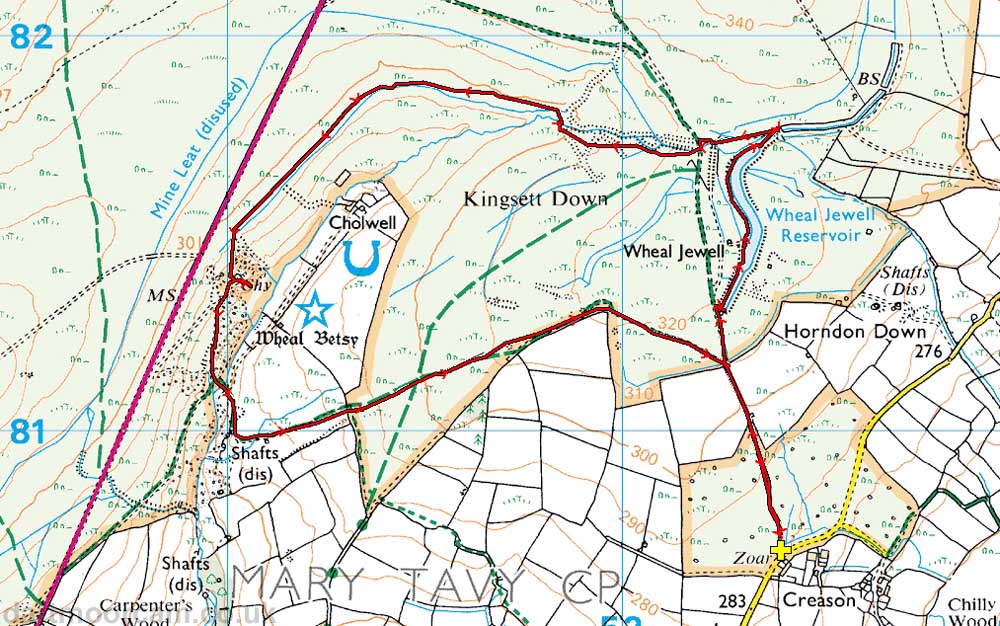
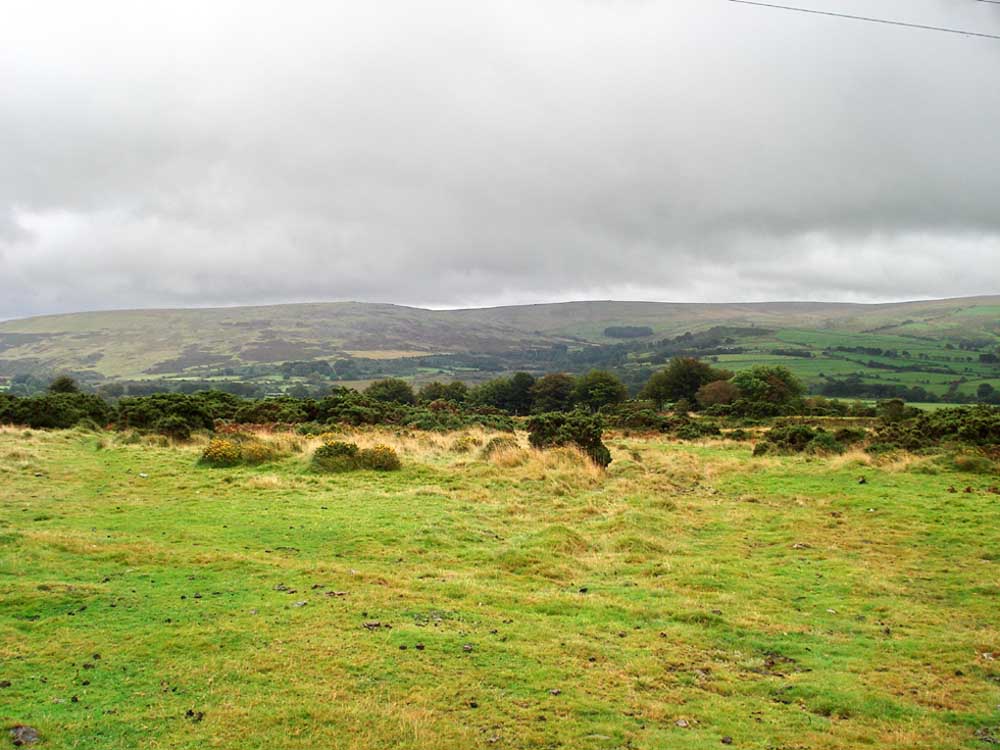
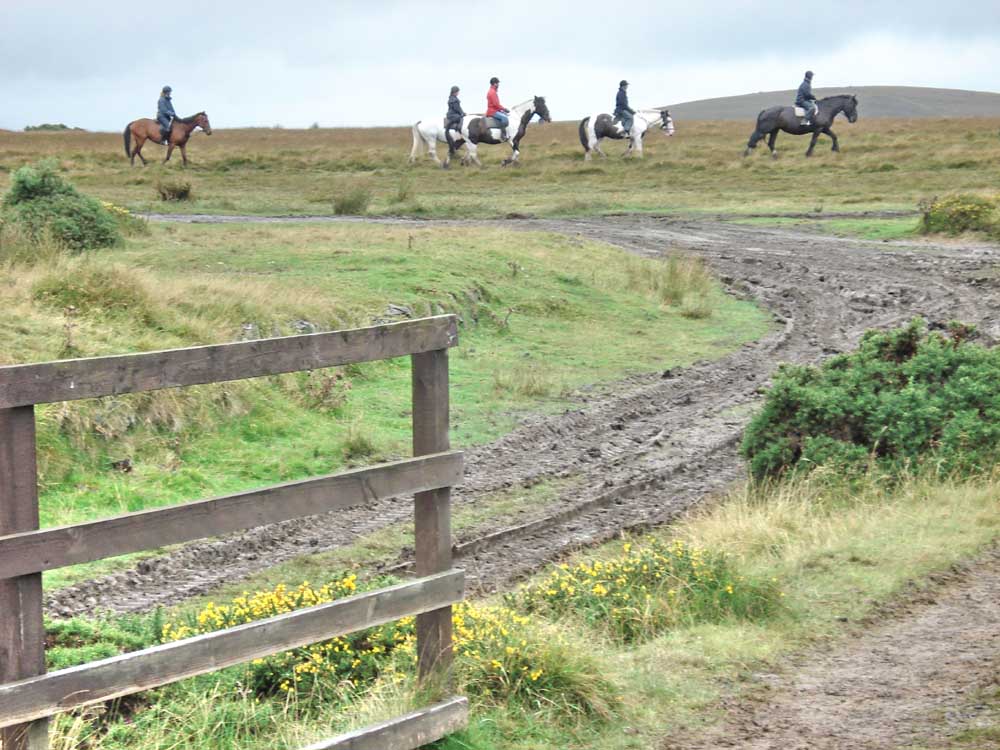
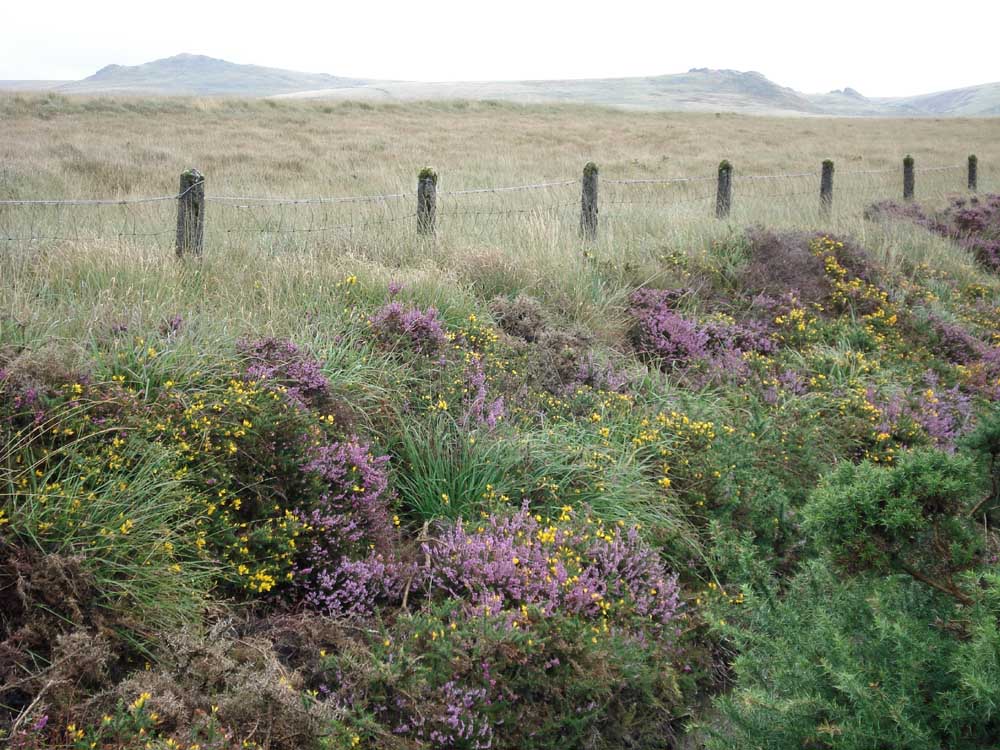
This walk across open moorland on the West of Dartmoor takes in the rich industrial and mining history of this area, including the Engine house of Wheal Betsy, a familiar sight to everyone who has driven the A386 between Plymouth and Okehampton. The walk is circular and generally sticks to the contour, making for fairly easy walking, with the valley at Cholwell being the only real gradient experienced. Going is mixed, with the old mining girts west of the Jewell reservoirs a small clamber, and some paths will be muddy in parts in Winter.
“Wheal” is an old Cornish word for “Place of work” but is mostly used for underground workings. It’s sometimes mixed with the rarer word, “Bal” which also means place of work or mine, but is more specifically used for above-ground mining work. Although in Devon, much of the expertise of mining on Dartmoor came from Cornish miners, who were undoubtedly the world experts in hard rock mining for many centuries.
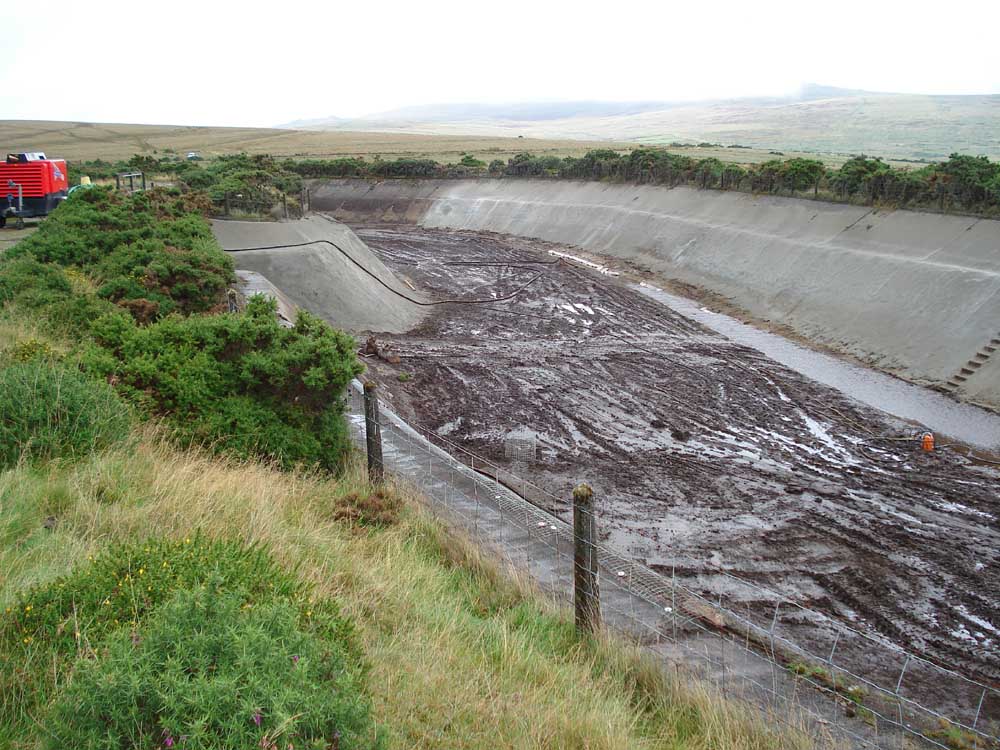
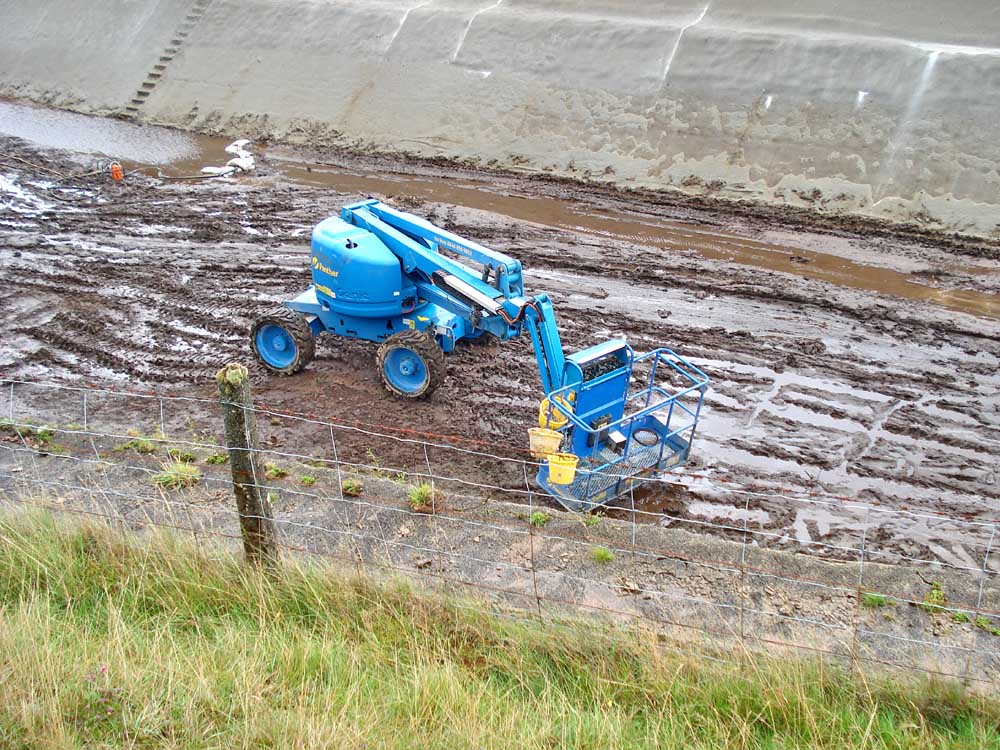
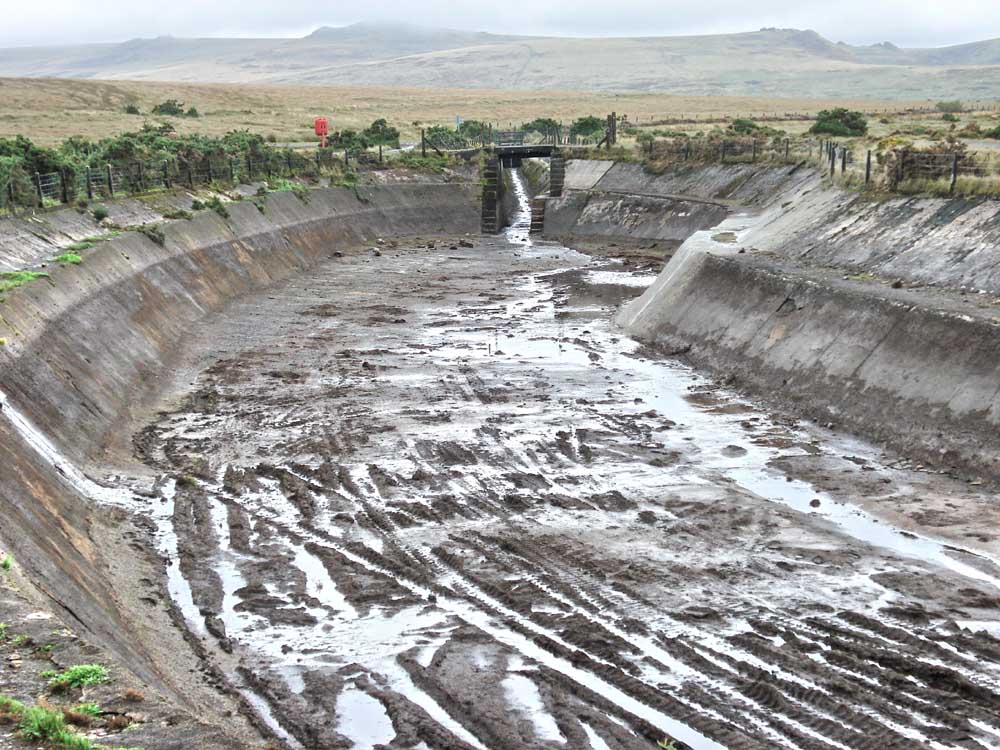
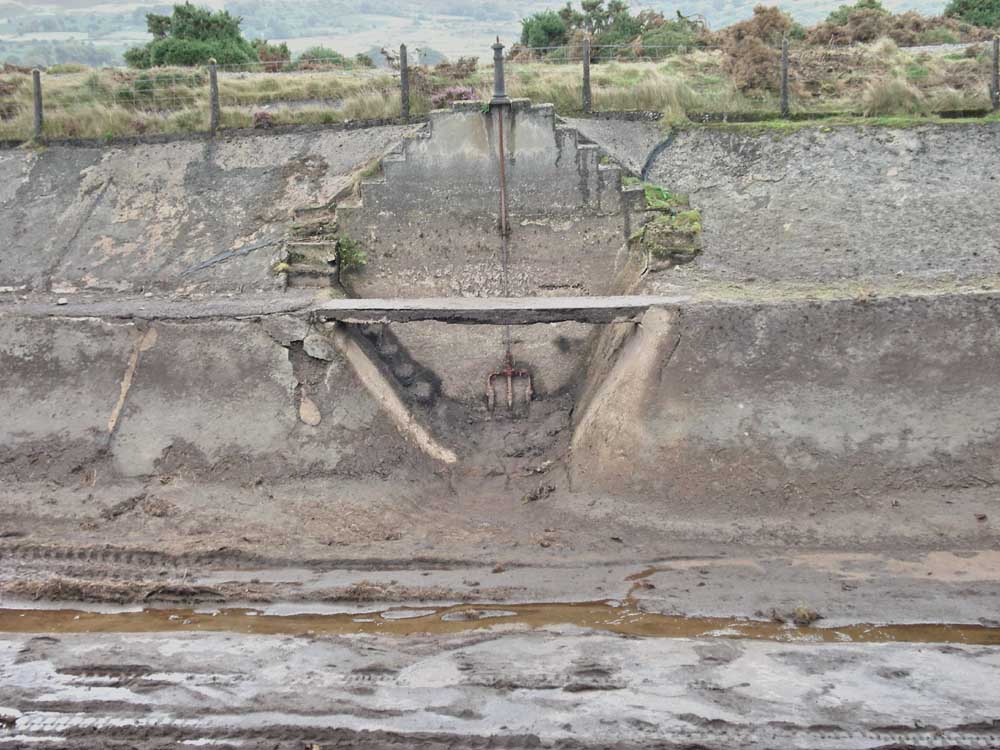
This walk was recorded by Keith in 2009 when the reservoir was drained and undergoing cleaning. Simon also walked parts of it in 2011 and has included additional pictures, and most of the text.

Wheal Jewell Hydro Electric
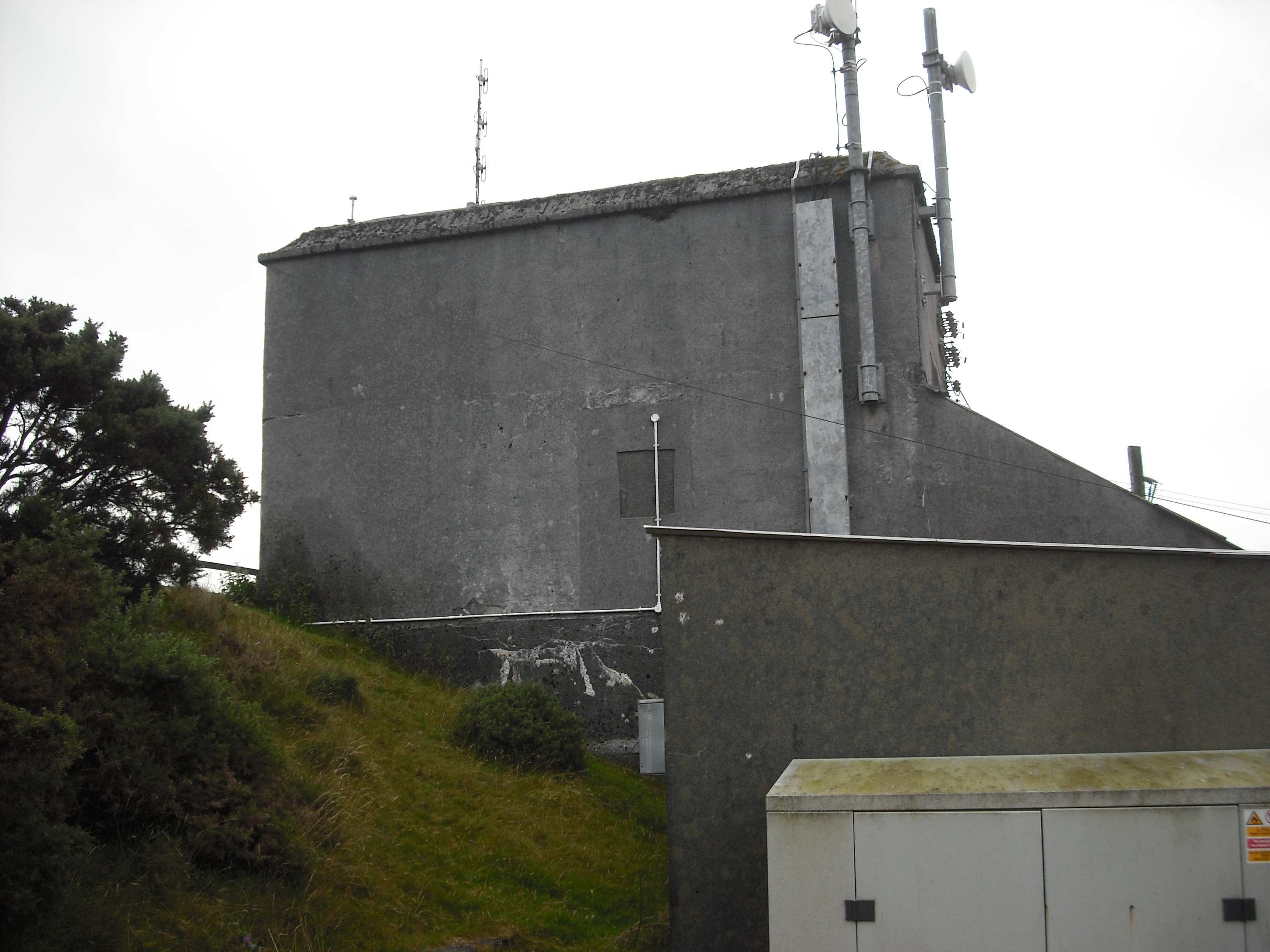
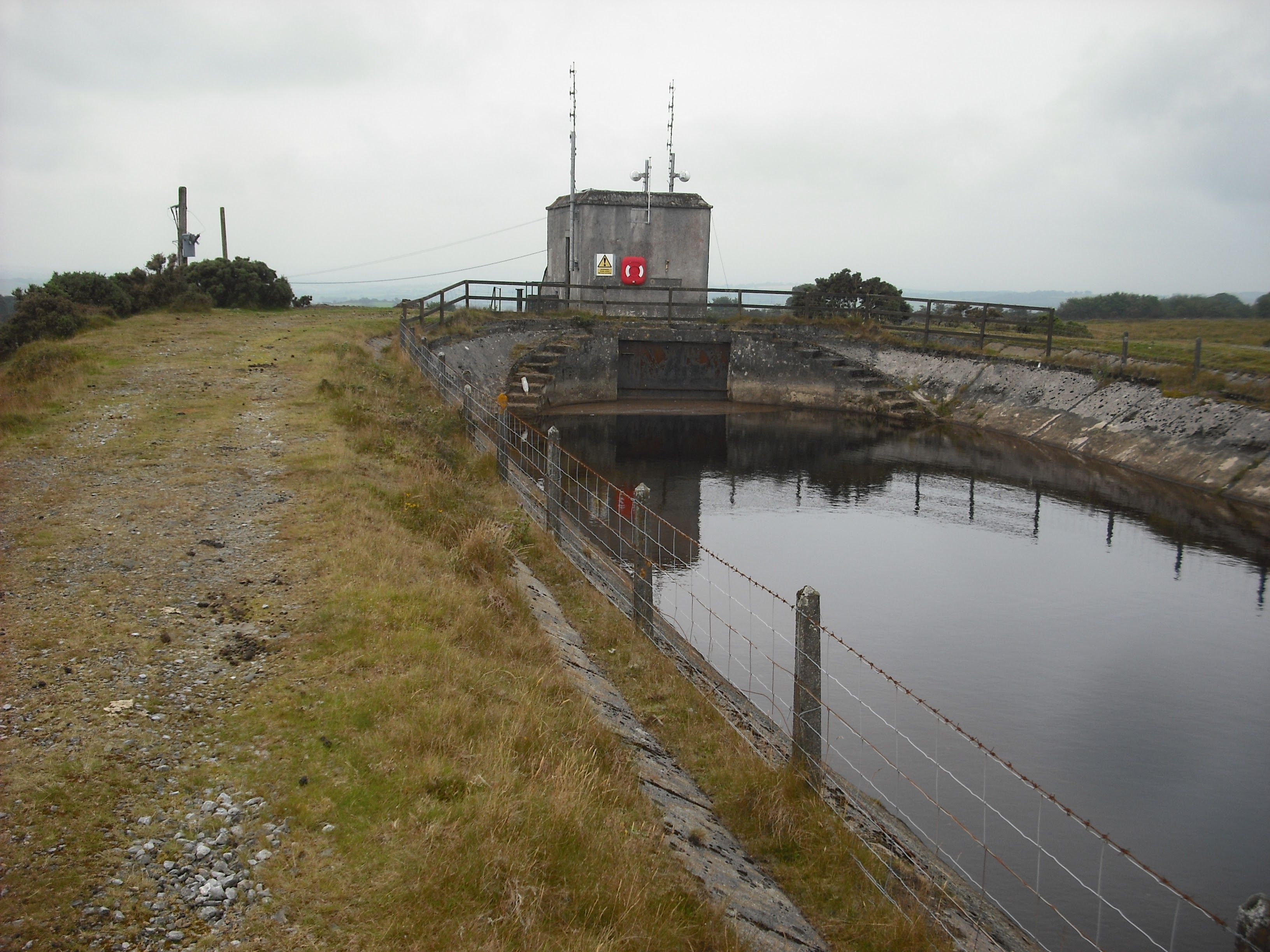
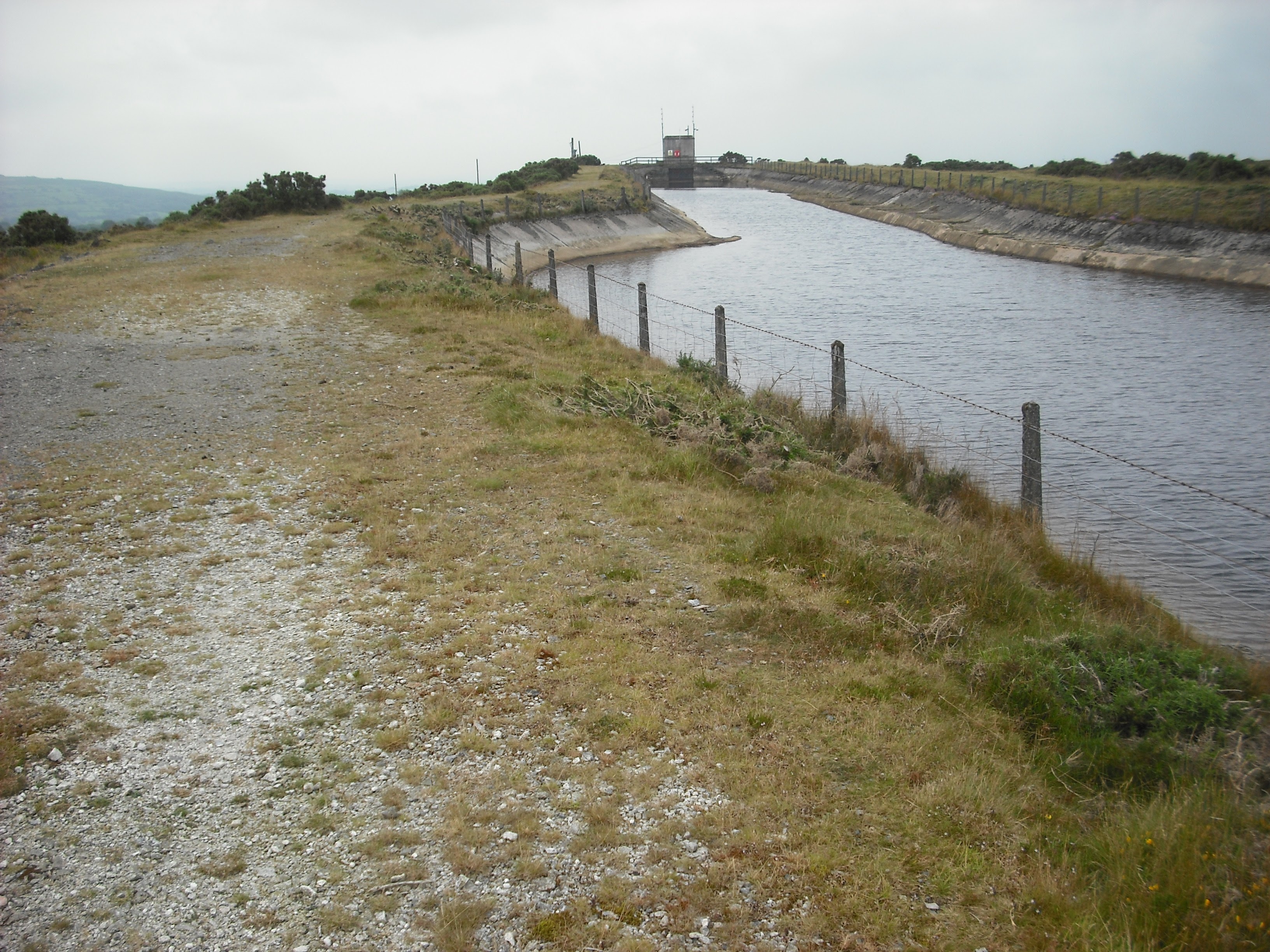
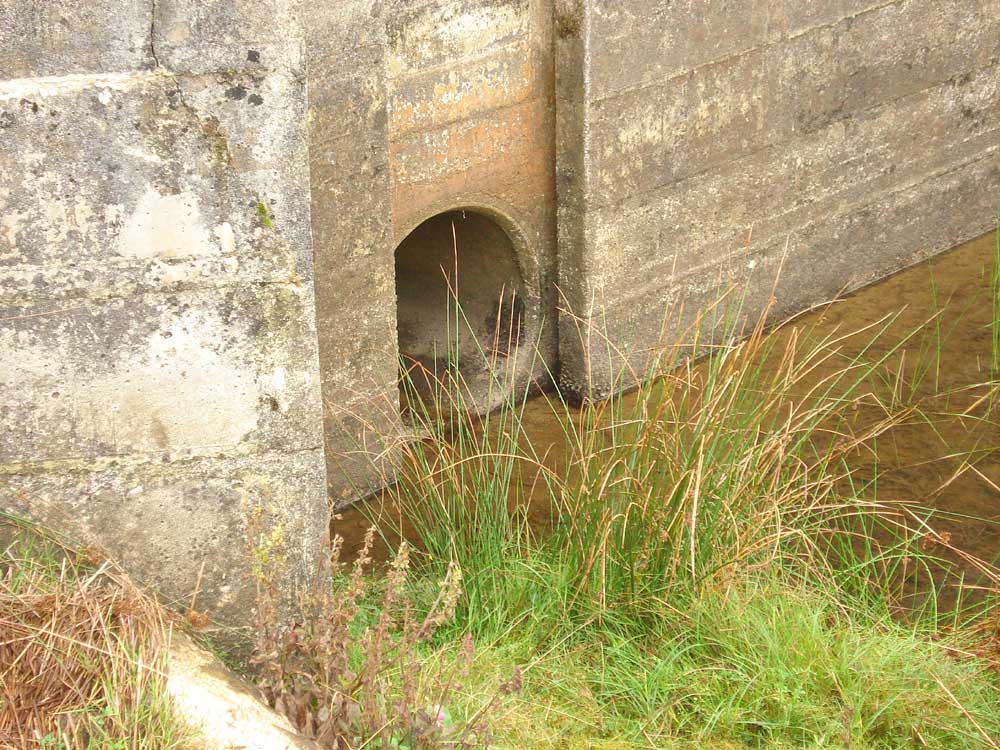
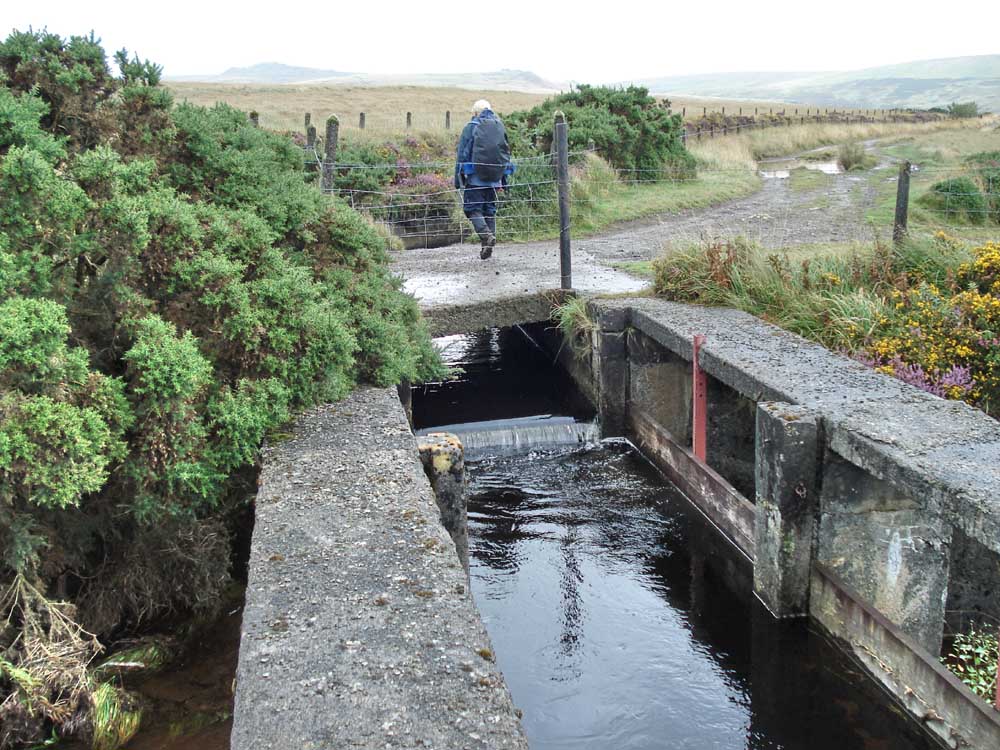
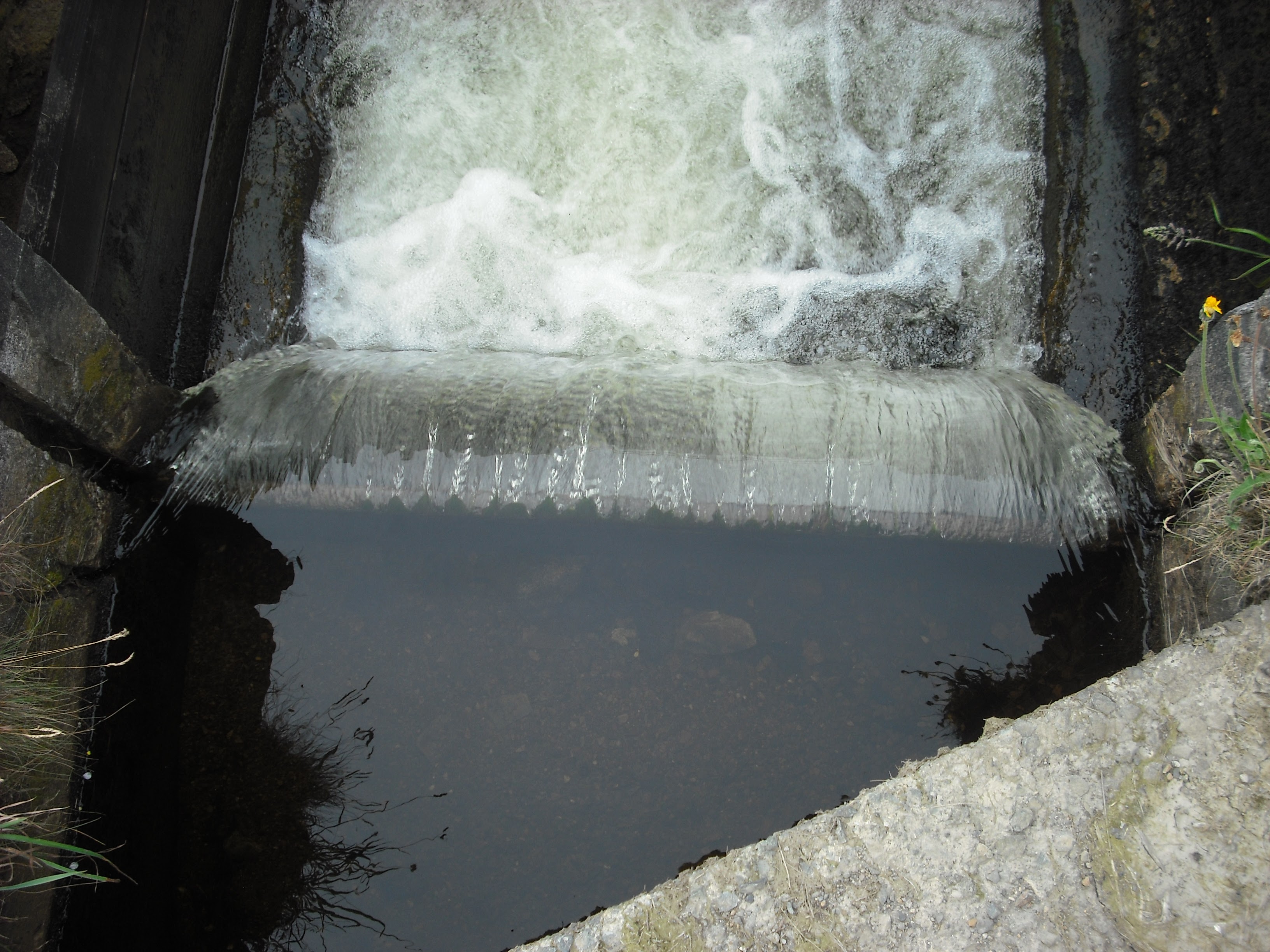
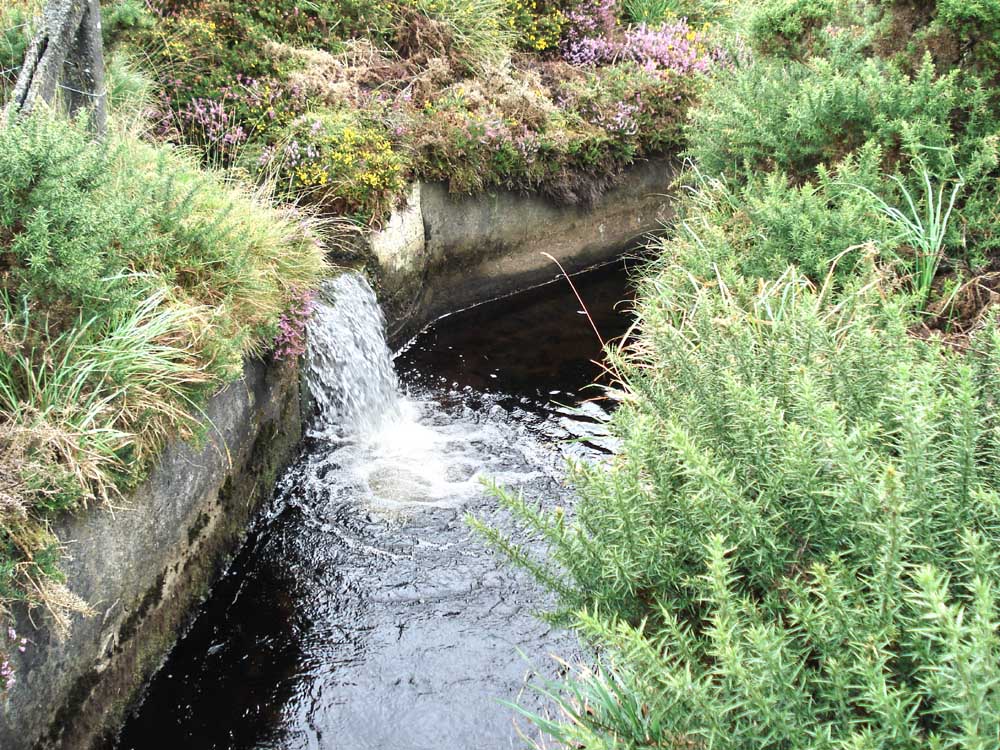
Built in 1936–1937 by the West Devon Mining & Power Co. (specifically the Christy Brothers), the Wheal Jewell reservoir and this building next to the track is part of an early, and still used, hydroelectric system. It collects and controls water from the reservoirs above, sending it down a turbine at Mary Tavy Power Station some 4km away, with 152m of head, providing around 15bar (217 psi) of potential working pressure.
The turbines comprise of three pelton wheels, each capable of producing up to 650kw, which is fed directly into the National Grid.
The Power Station was opened four years before this supply was added, using a much less capable supply from Hillbridge Weir but was not capable of meeting demand.
The reservoirs, pumps and generation are owned and maintained by South West Water.
Wheal Jewell Reservoir
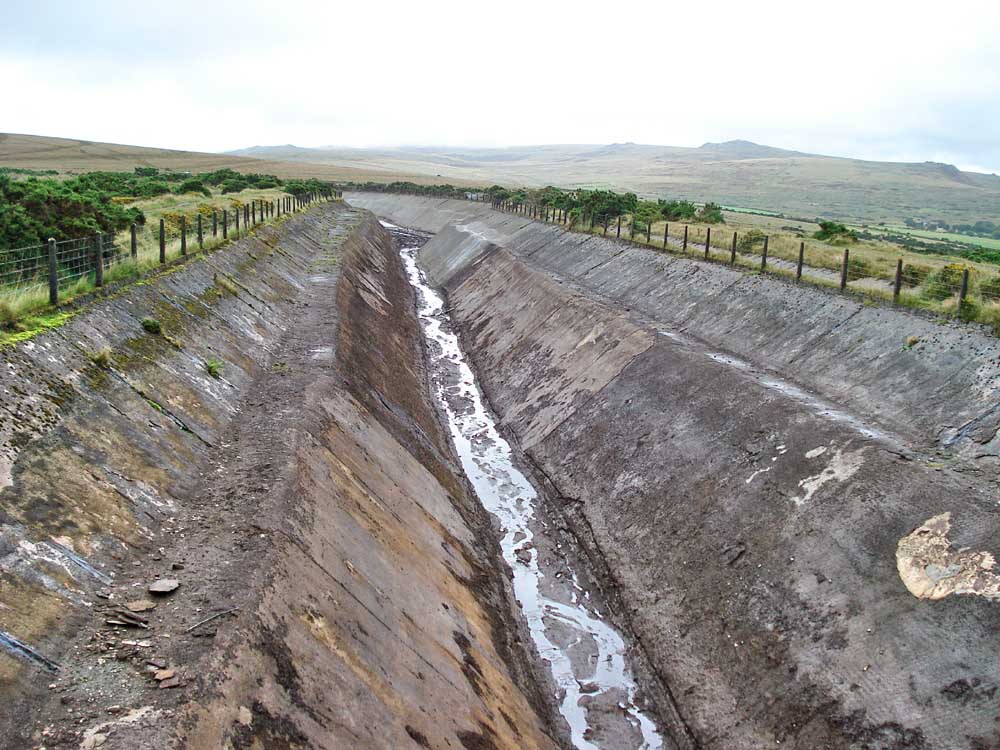
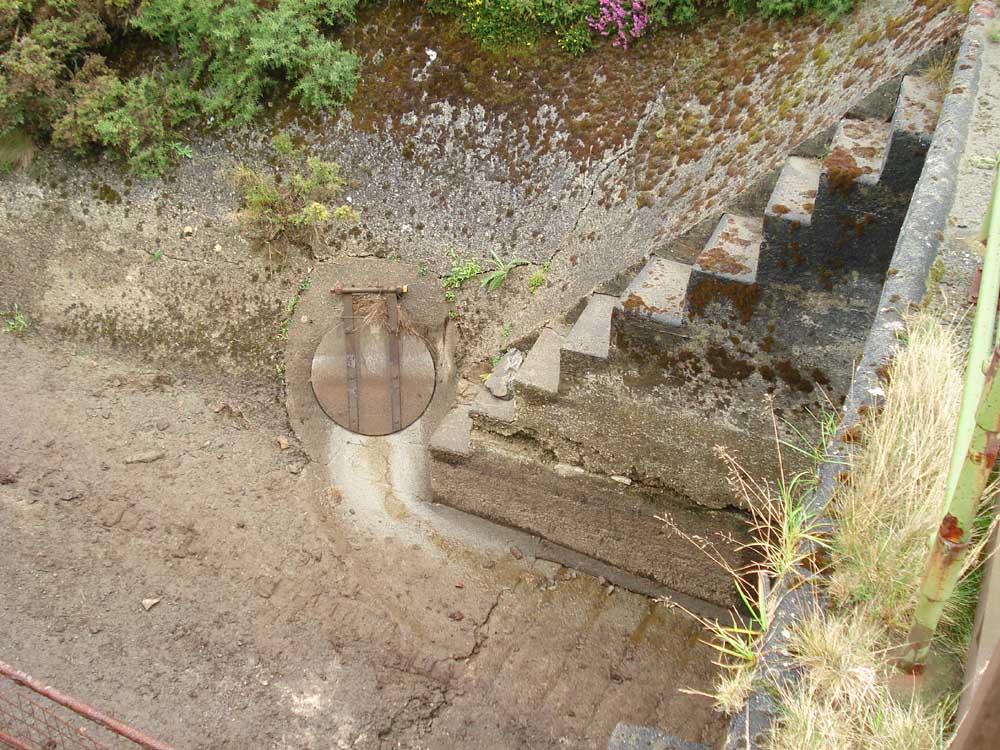
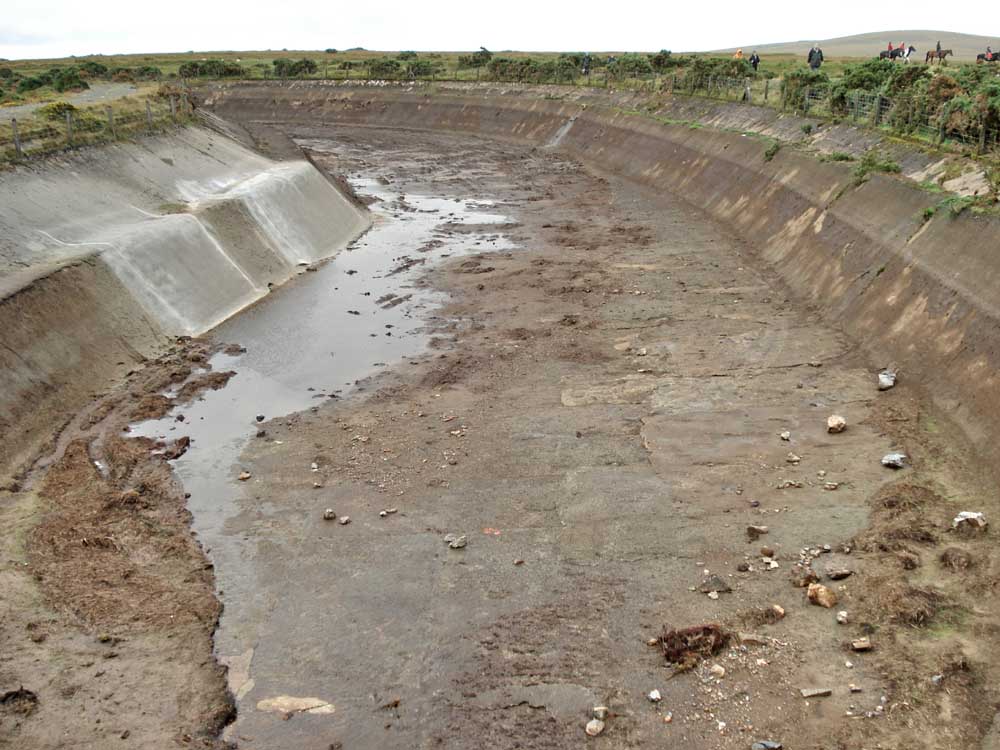
Wheal Jewell Reservoir acts as a ‘header tank’ for the Hydro Electric generators, ensuring there is enough supply to meet demand.
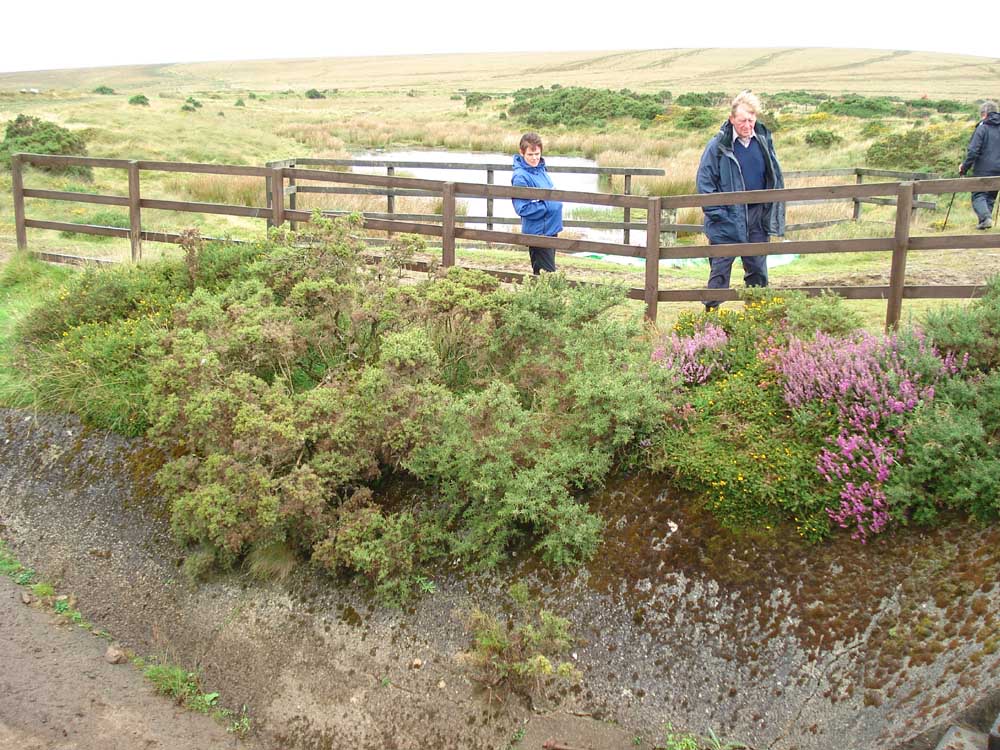
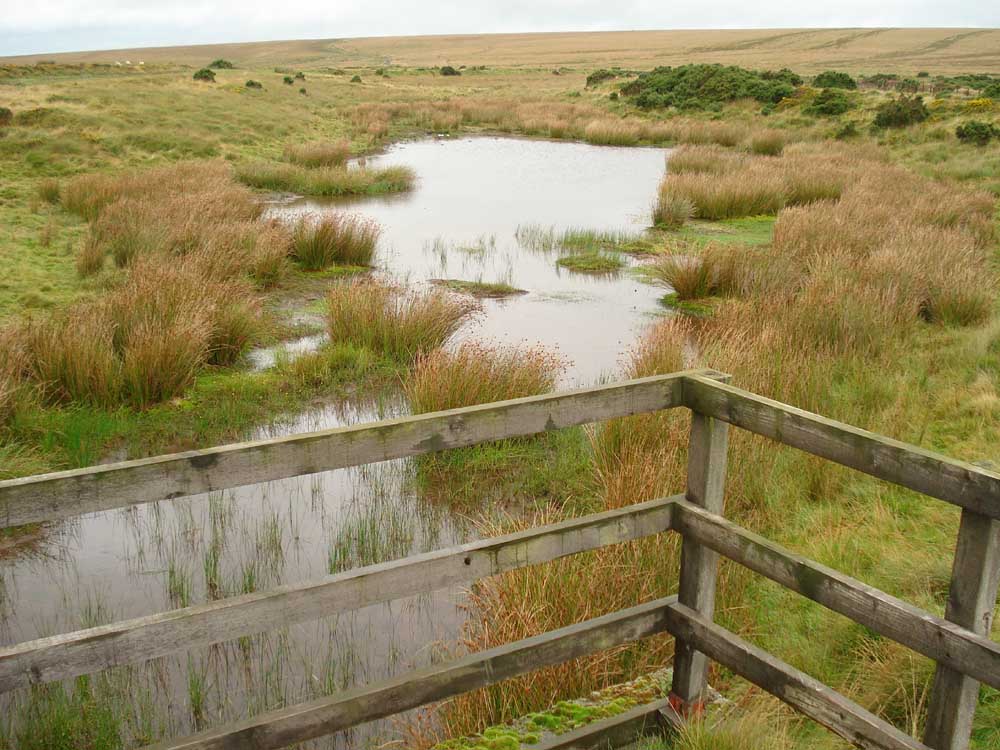
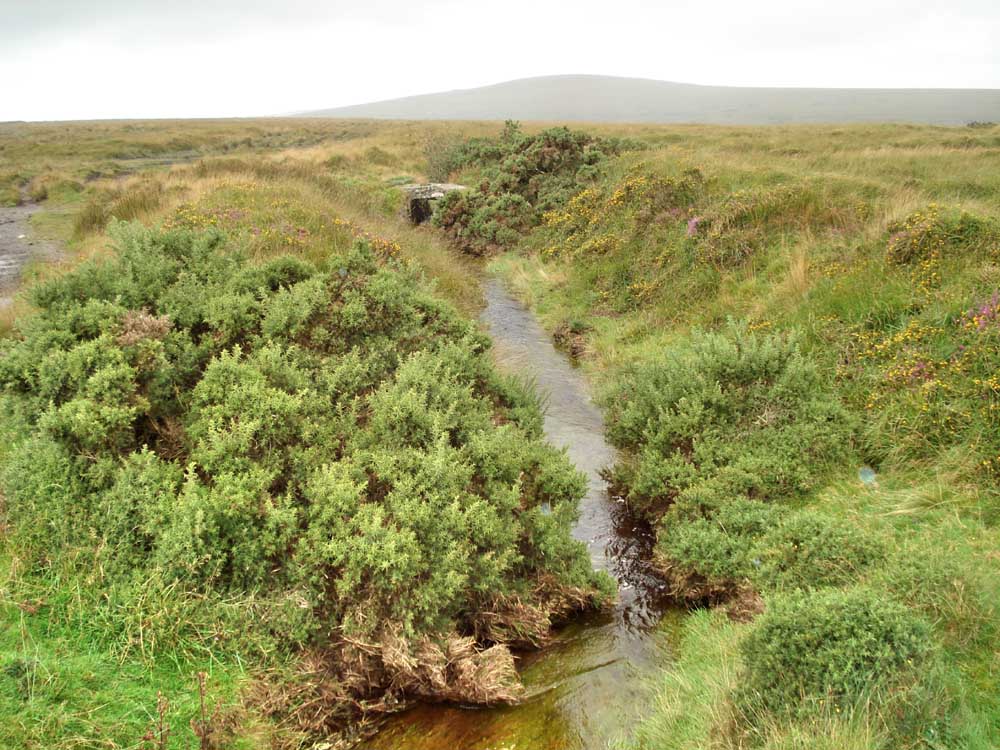
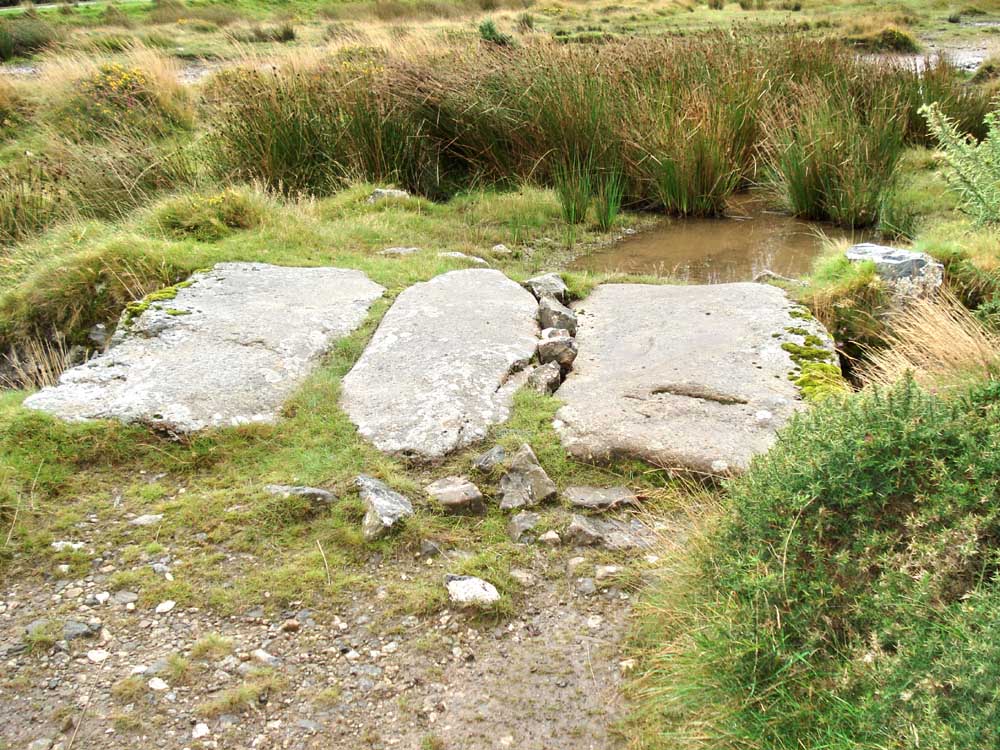
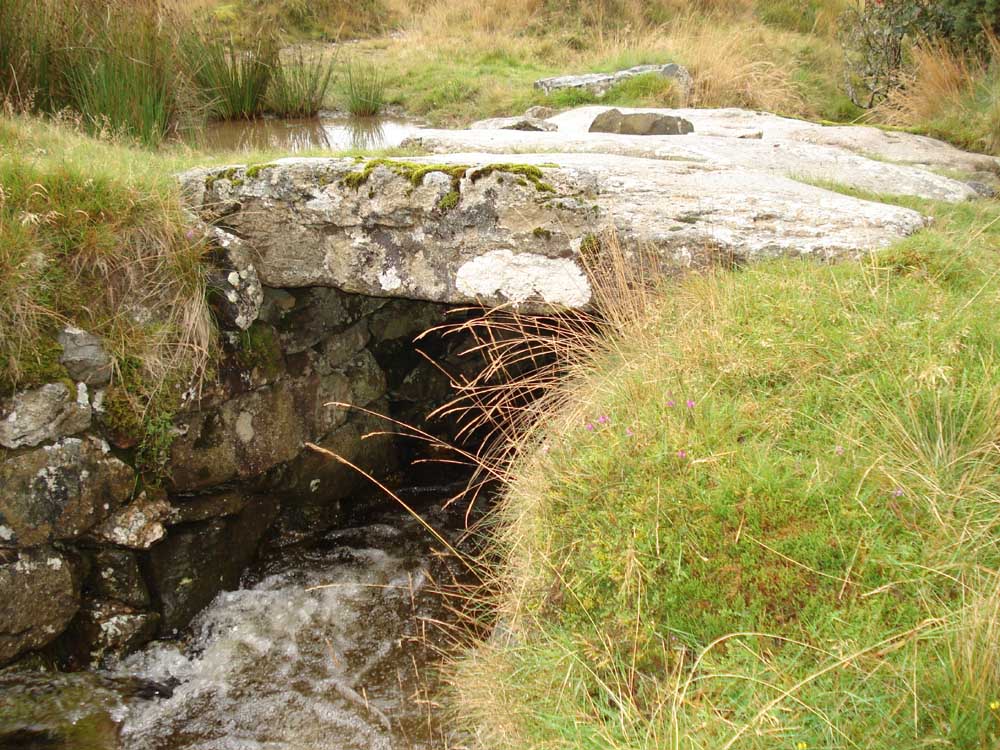
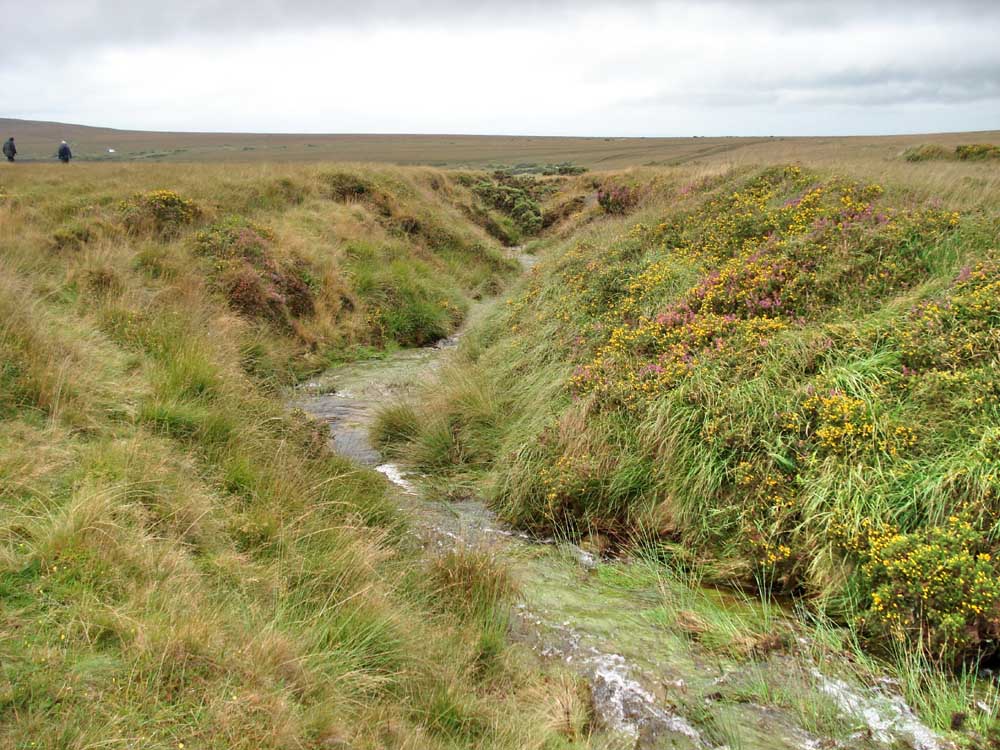
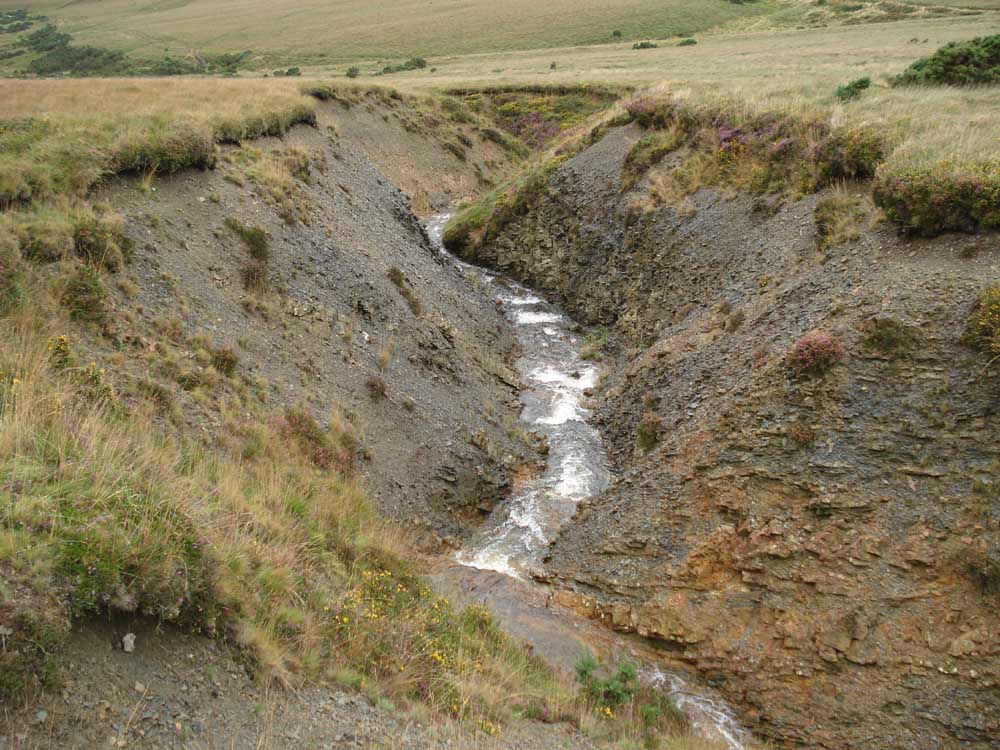
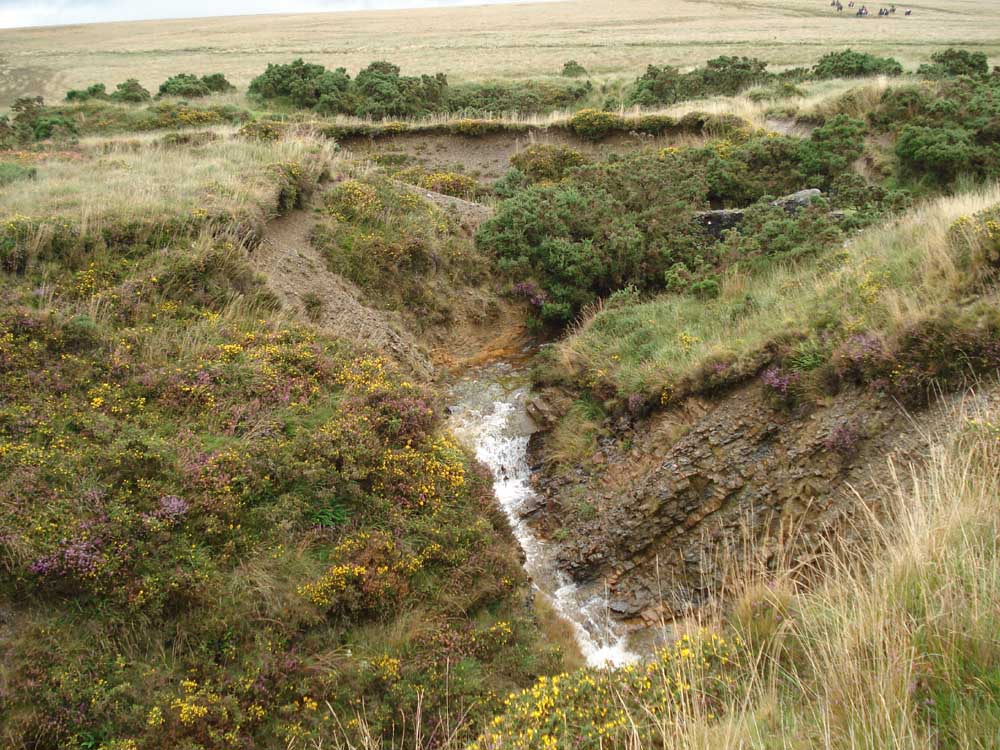
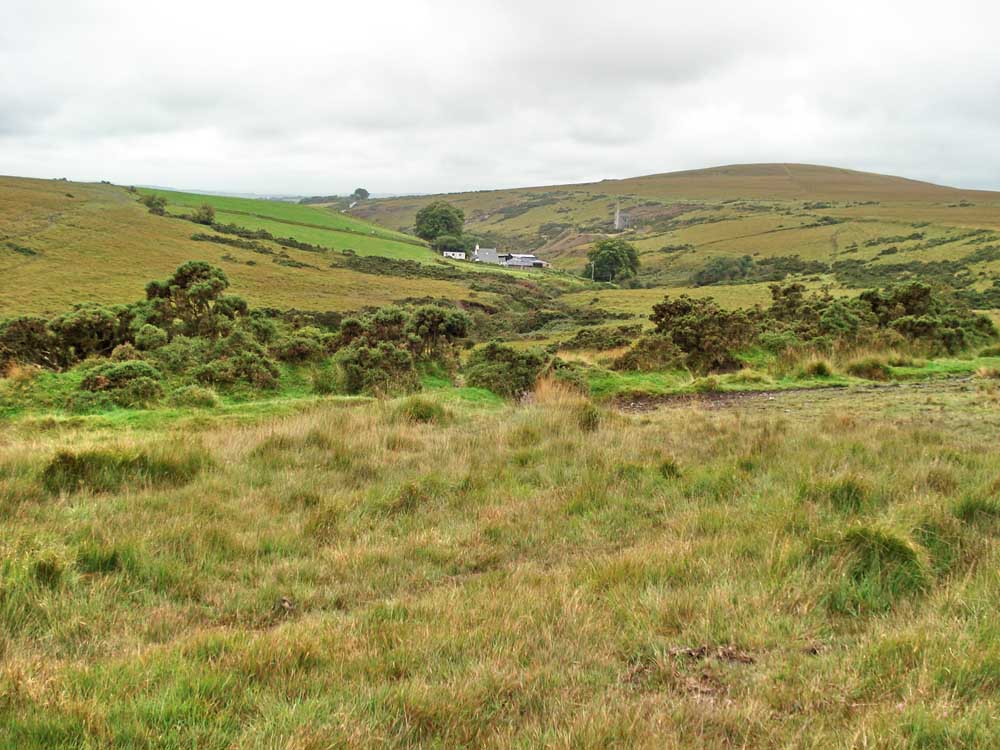
The name comes from a much older tin and arsenic mine that occupied the site from the 1700s, being most productive in the years of 1865, 1911 and 1924. When the reservoir was built in 1936 it was constructed directly over the old gerts (open cast workings), and most remains were destroyed during this construction, although extensive gerts can still be seen to the west, along our route.
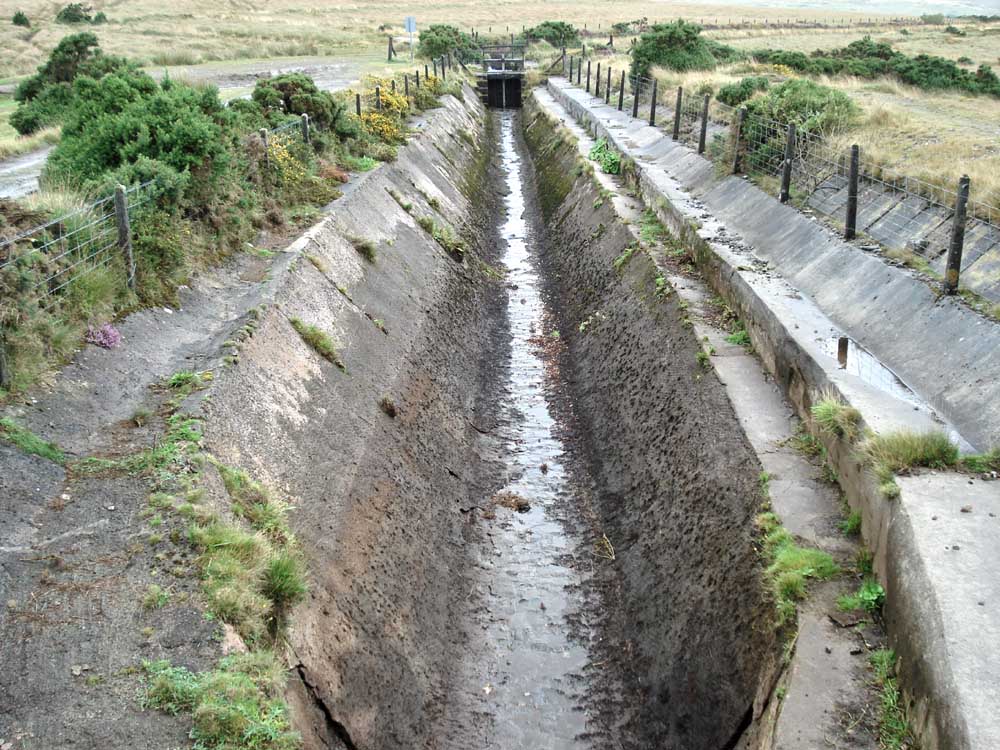
The reservoir collects up to 6.5 million gallons of water from the 4.5 mile long Reddaford leat, drawing off from Tavy Cleave. This fills it at a rate of up to 2 million gallons a day, and was dug by hand in the 1800s to supply the original mine.
The original course of Reddaford leat runs just North of the top of the reservoir, and can be clearly seen today.
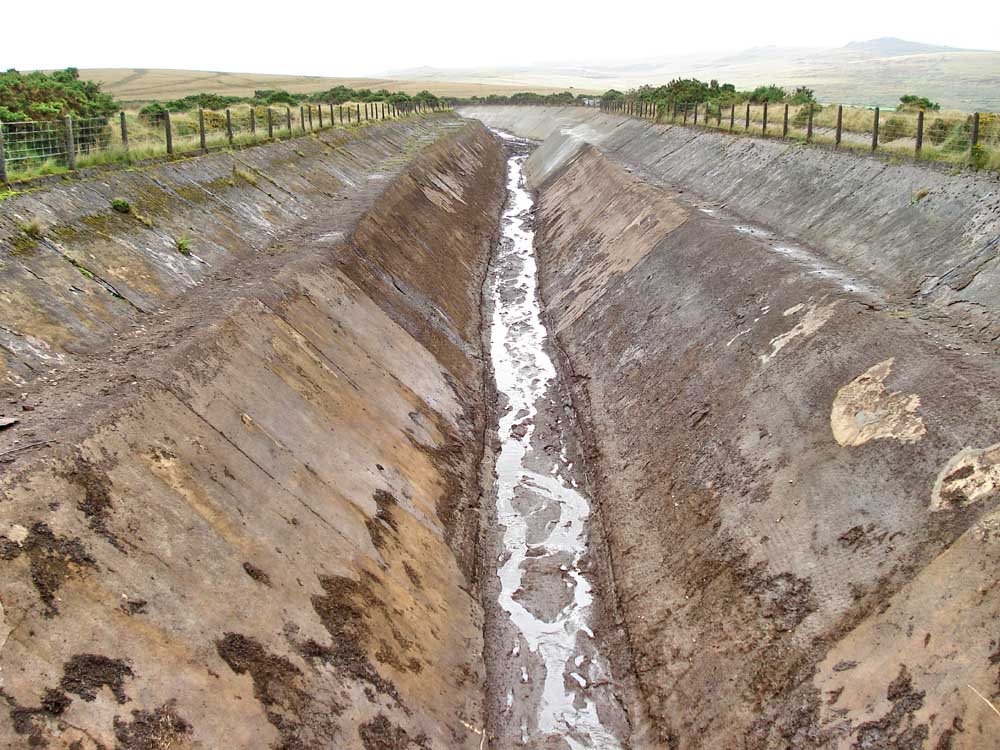
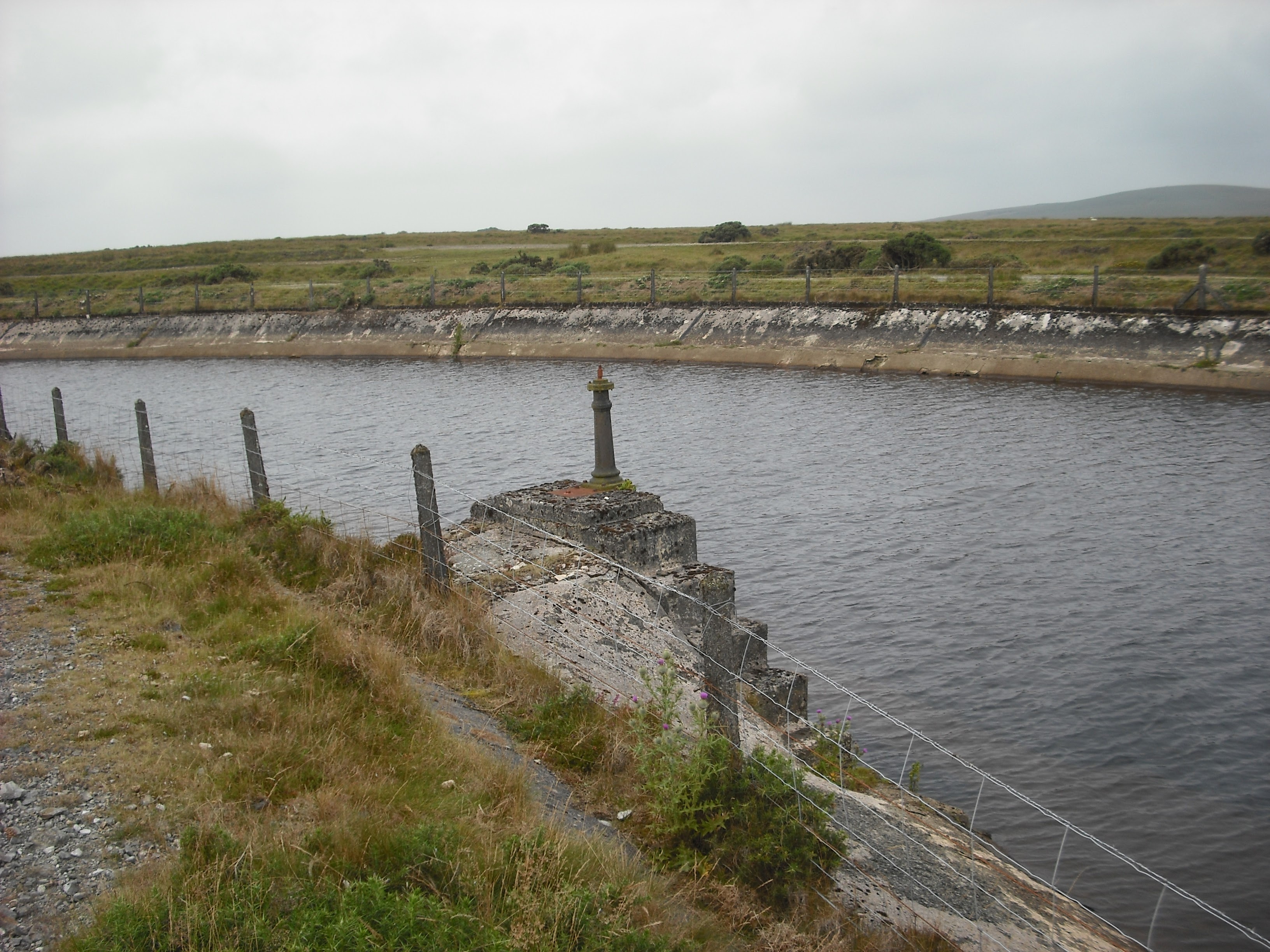
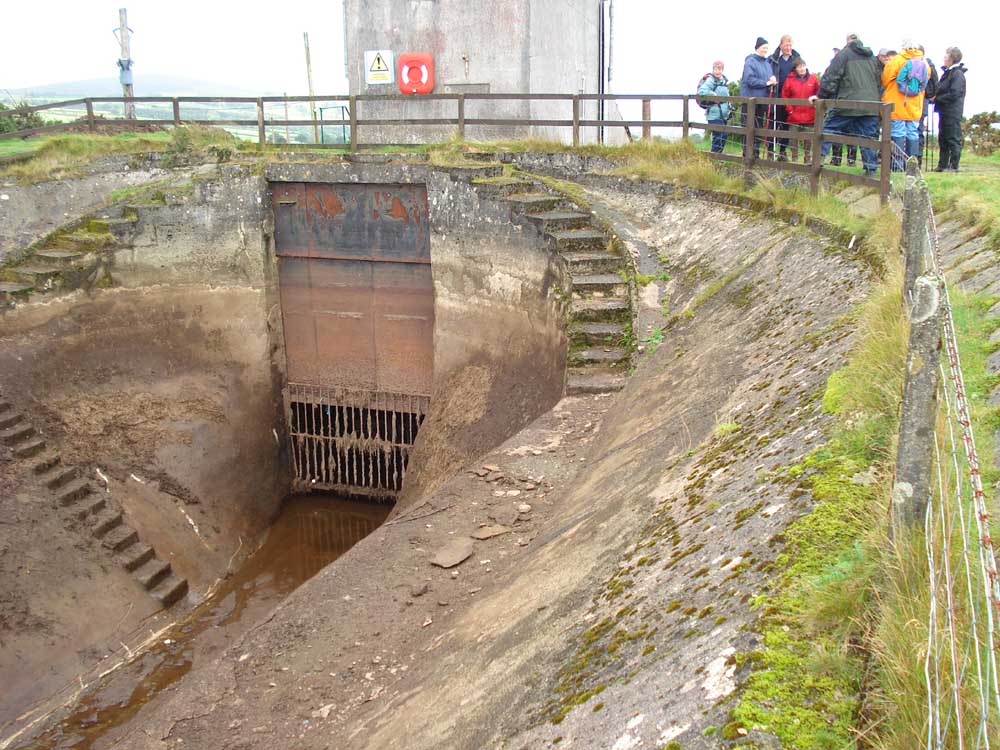
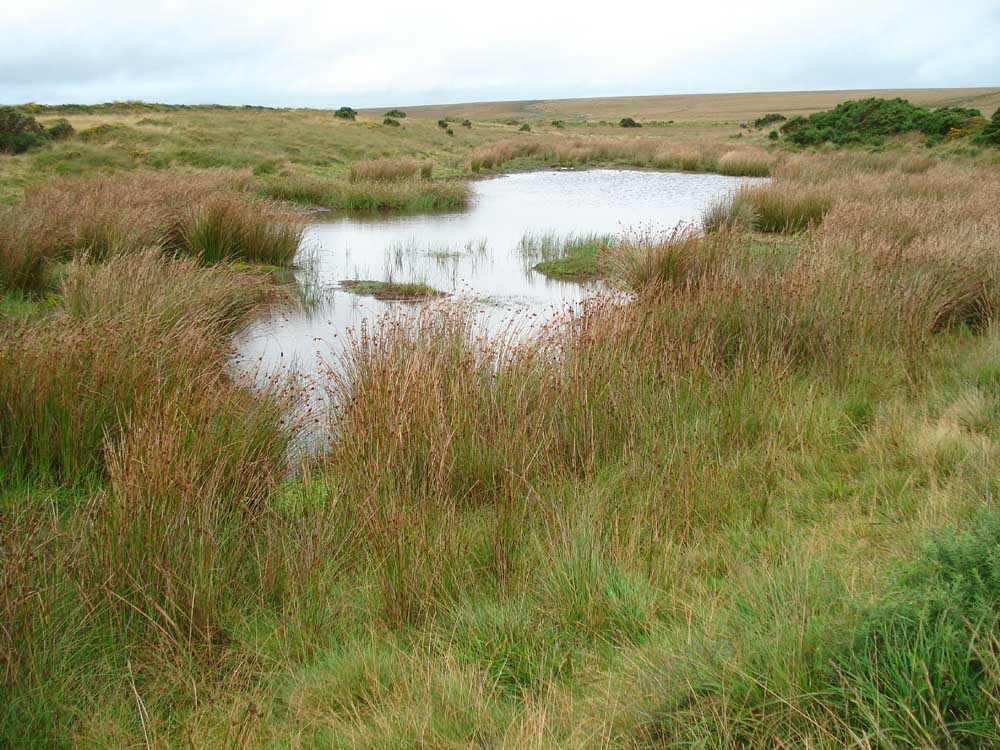
Wheal Jewell Gerts
Wheal Betsy
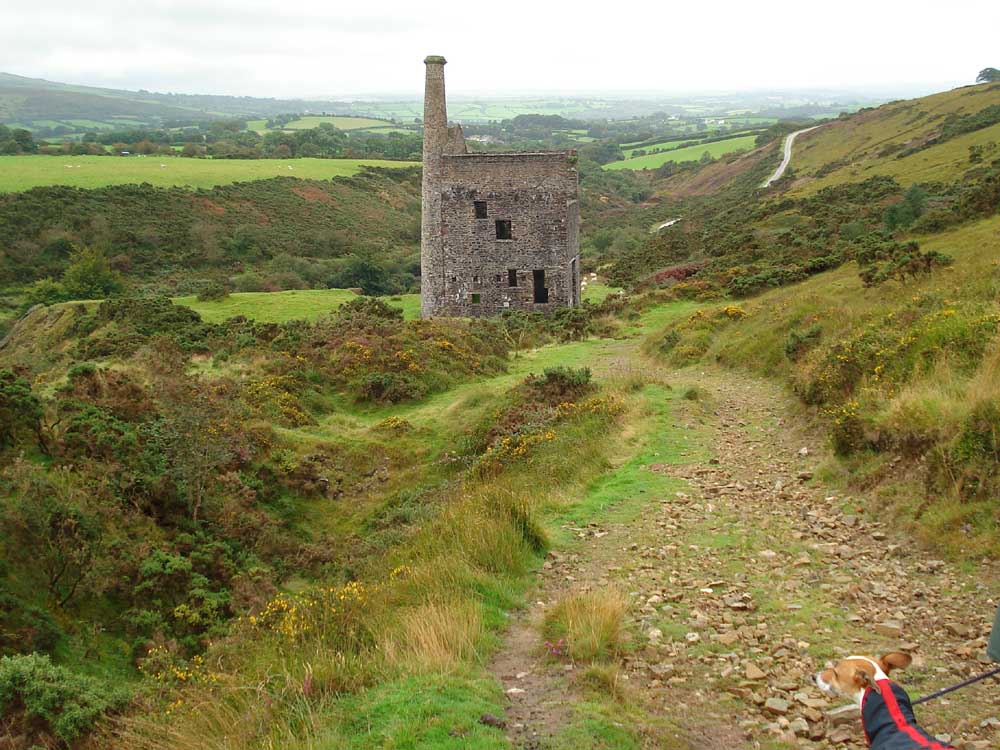
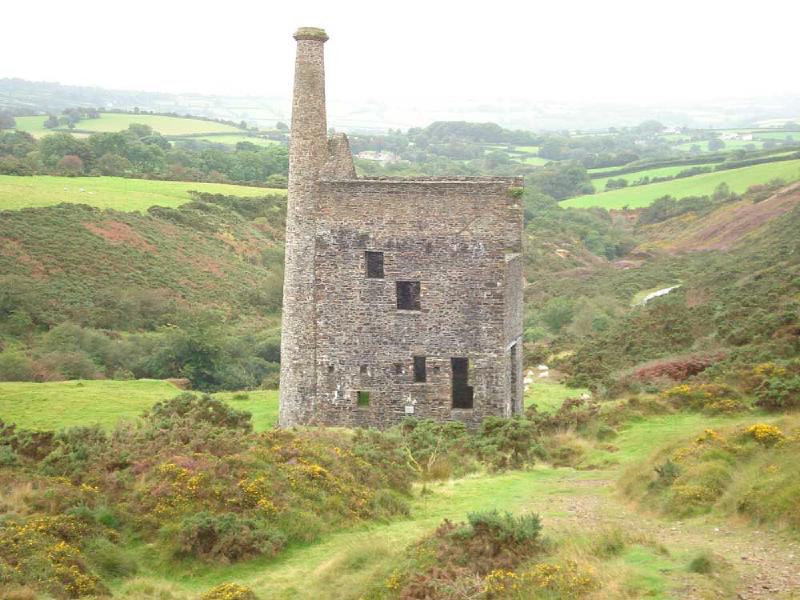
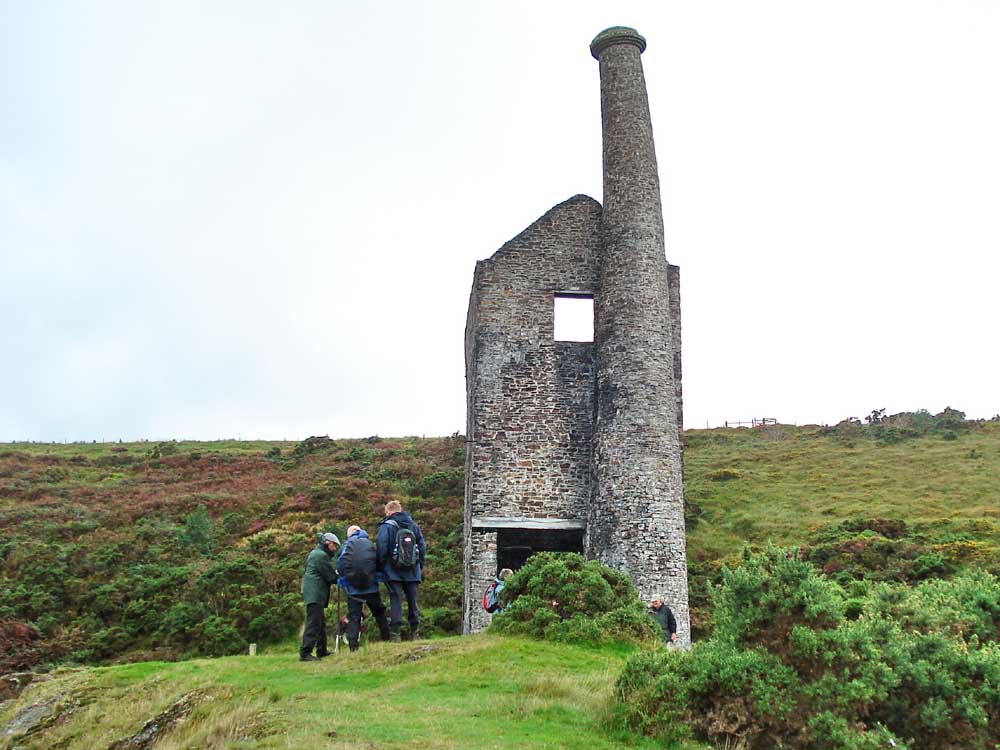
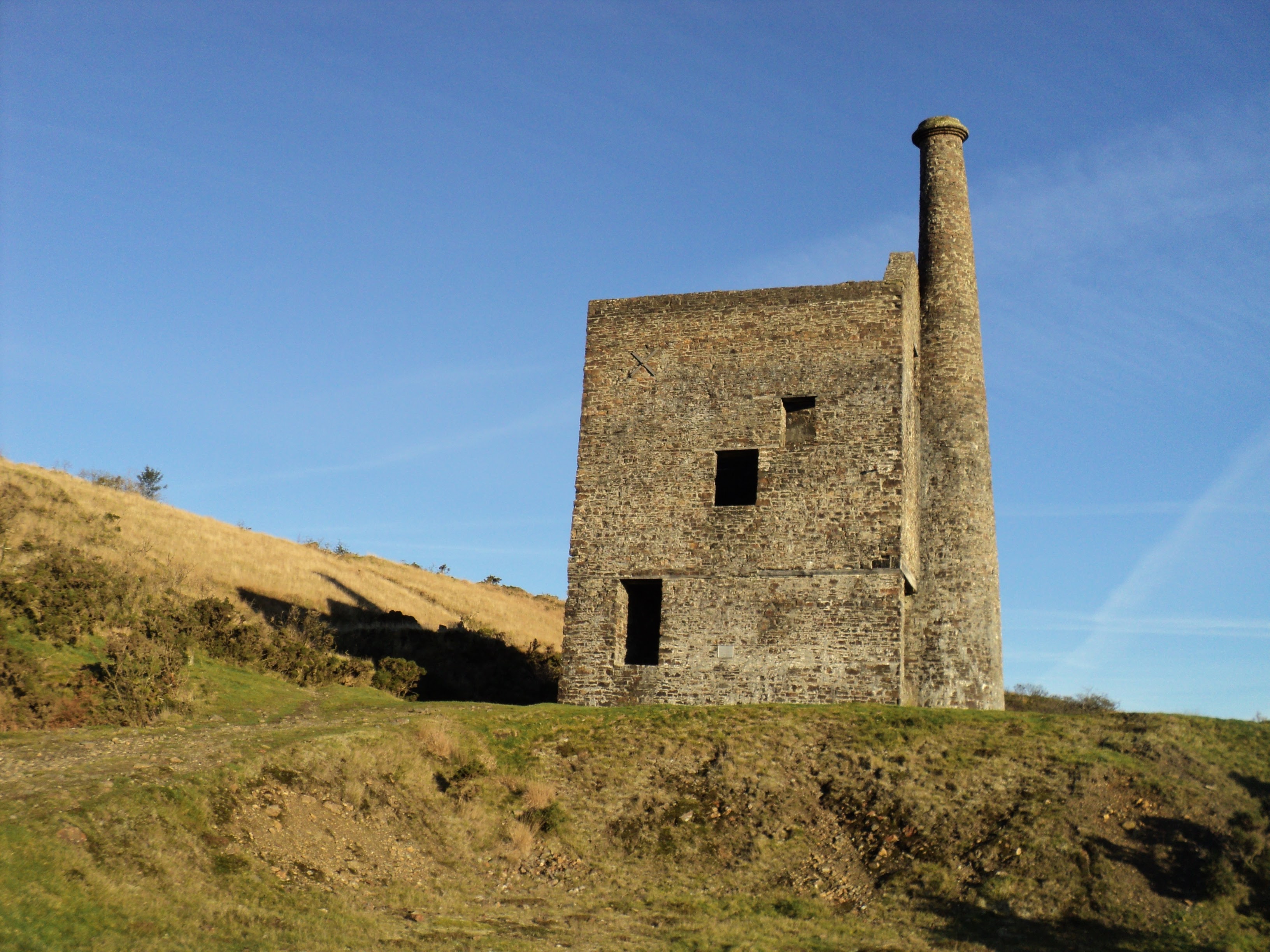
There’s an irony that, whilst most of Dartmoor’s engine houses were built on granite, they have all but disappeared and Wheal Betsy remains. It has a distinctive lean to its chimney because it was built upon the weaker spoil heaps of older workings, yet remains largely intact. Wheal Betsy is sometimes wrongly labelled as “The last standing Engine House on Dartmoor” - it is not, there is one other! Wheal Exmouth, on the exact opposite side of Dartmoor at Canonteign, is still standing and has been converted to a private house. It’s perhaps accurate to say that Wheal Betsy is the “Last standing original Engine House on Dartmoor”.
Wheal Betsy was dug in 1704 - but powered by water wheels fed by Reddaford Leat. As common with mines, they are very affected by metal prices and it had to close shortly afterwards, but re-opened in 1806 and worked successfully for several decades, producing much of the waste rock evident in this scarred valley.
The object of this industry was primarily Lead, Silver and Copper, with some arsenic.
The engine house we see today was not built until 1868, very much as a “last resort” to keep mining going as shallower levels were exhausted. It housed a Cornish Beam engine which pumped water out more efficiently than the previous water driven pumps.
Sadly, the investment was not recouped and the mine closed for good in 1877, just nine years after the engine house was built.
The Engine House was almost demolished in 1954. The British Army was given permission to demolish it. It was saved by a high-profile campaign led by the historian A.K. Hamilton Jenkin. In 1967, it was acquired by the National Trust and designated a Scheduled Monument, securing its future.
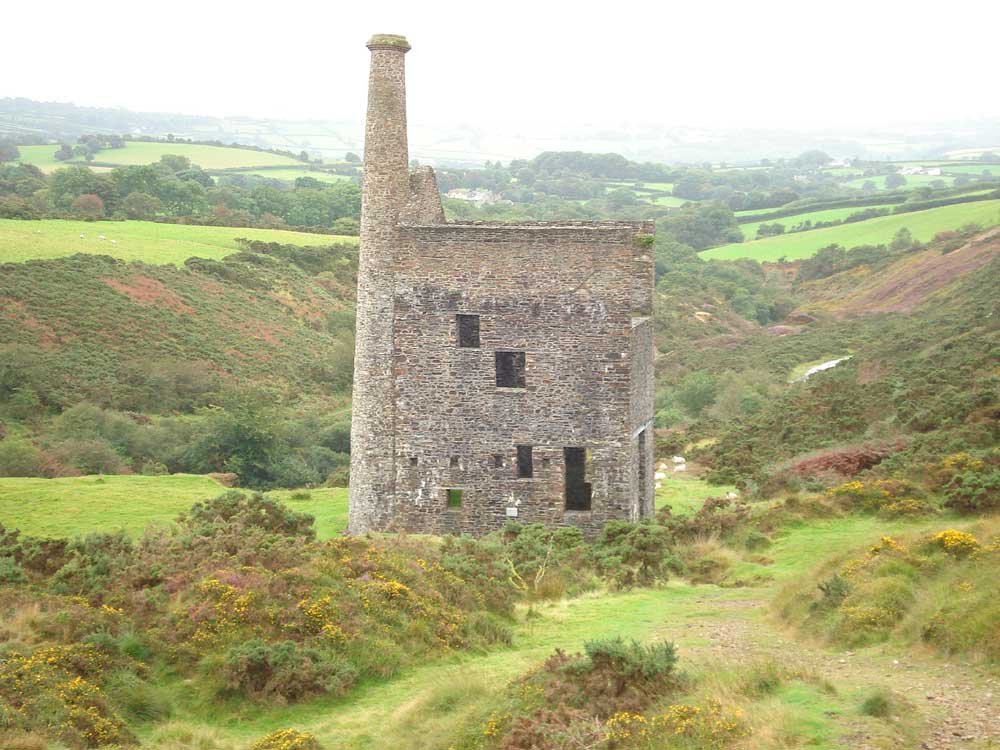
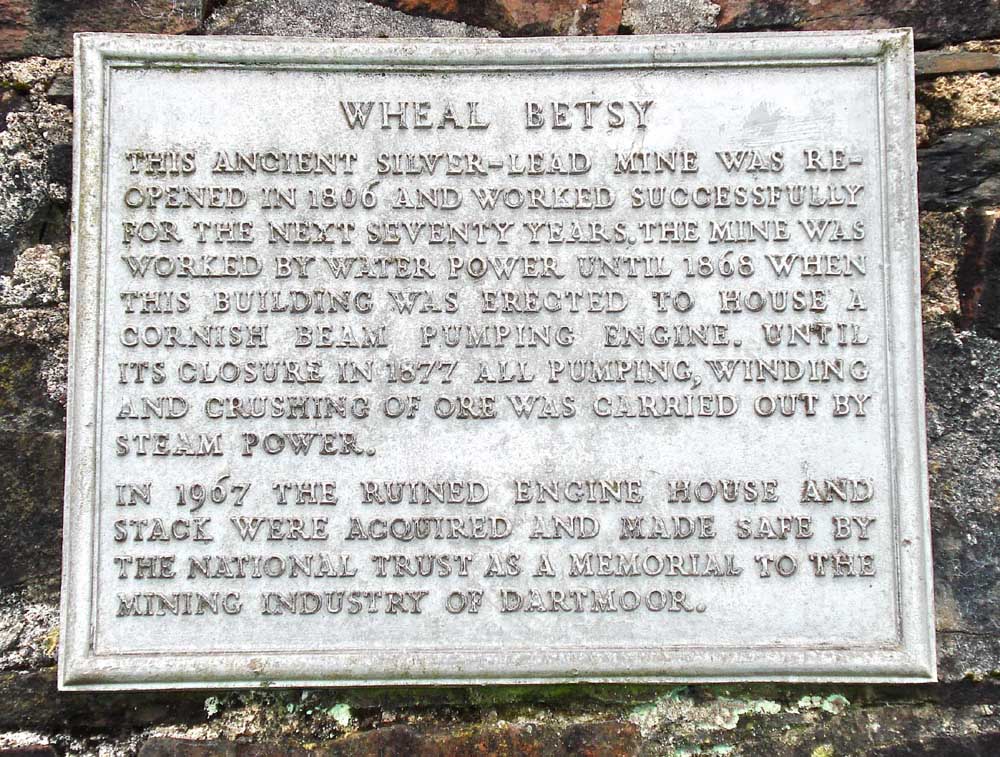
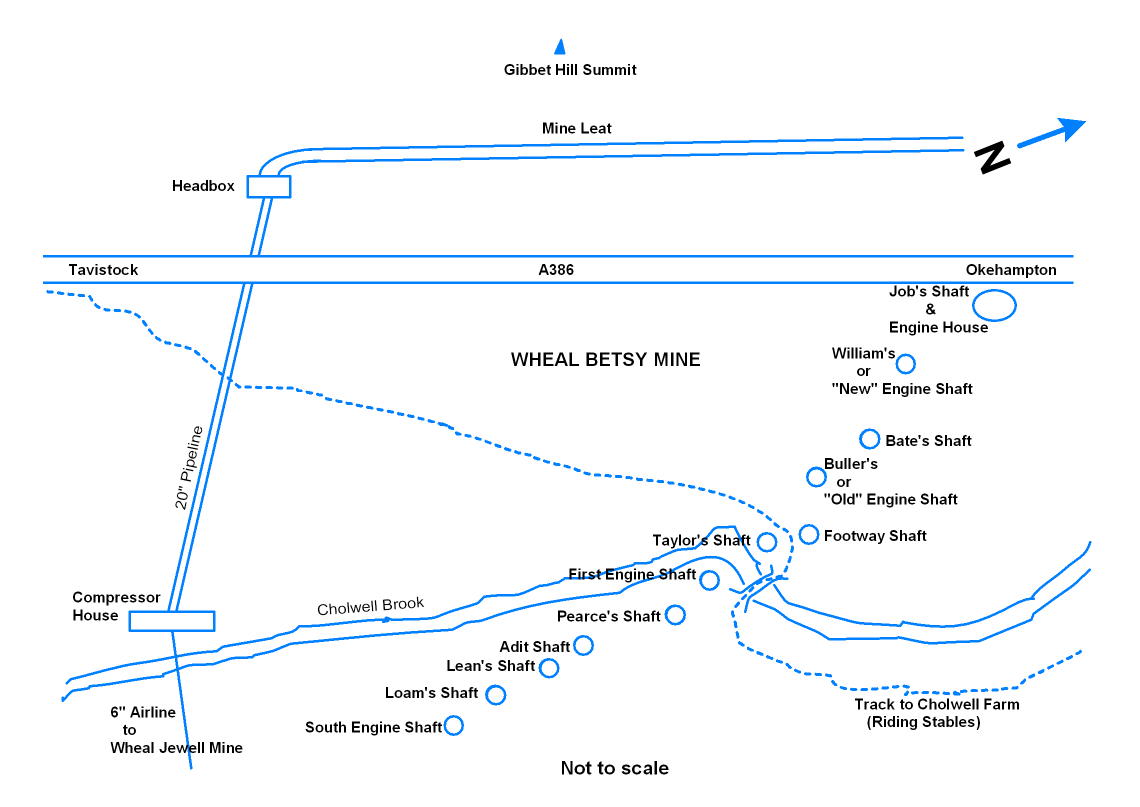
The above map shows the succession of shafts dug to follow the rich vein.
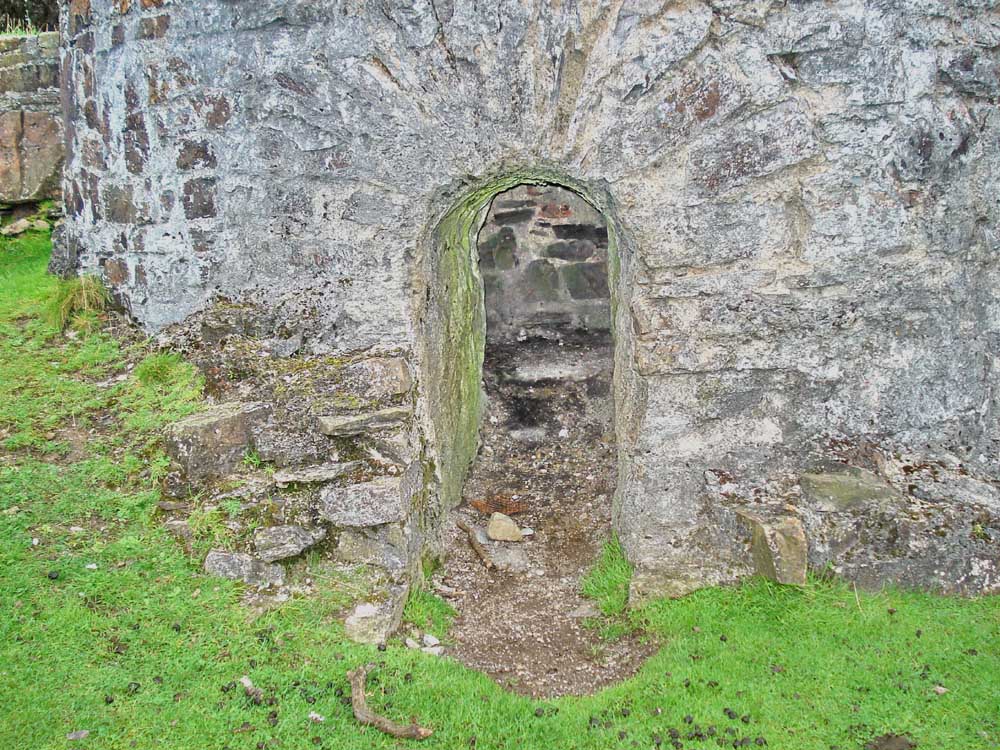
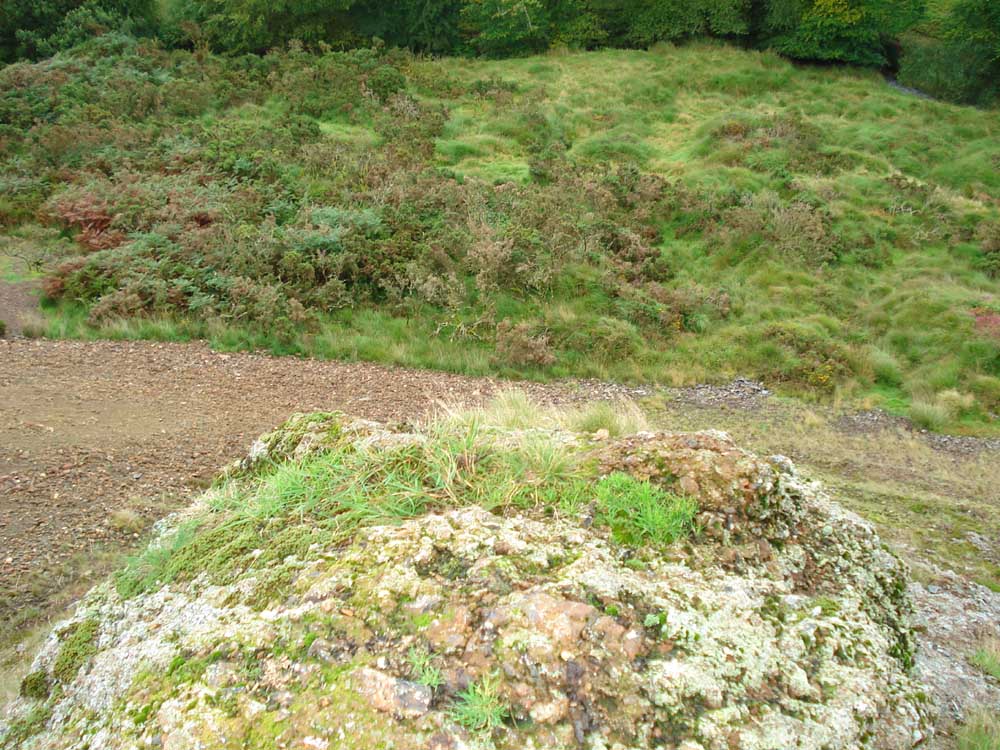
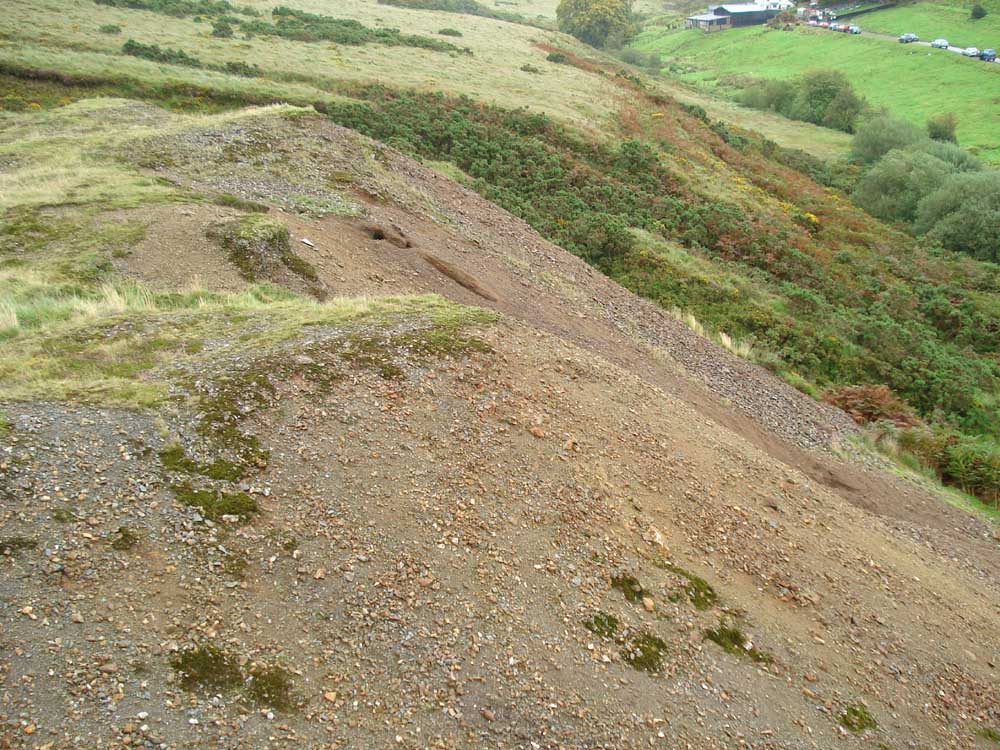
The bare rock evidences high levels of arsenic and other mineral contaminants, a common result of mining on Dartmoor.
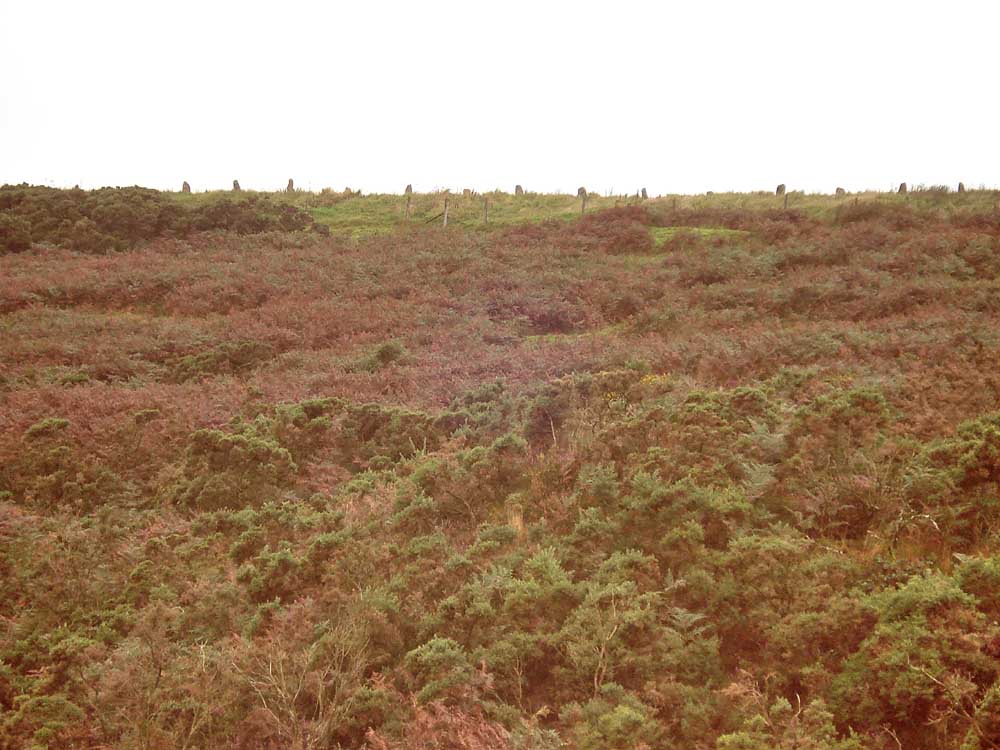
Annie Pinkham’s Men is the local name for a line of fifty stones by the A386. They were placed in the 19th century to help prevent horse drawn traffic from slipping into the Cholwell Valley. Their unusual name is explained with three possibilities;
What is clear from all three tales is that it is known that Annie lived in Peter Tavy and worked in Lydford. The first tale suggests that she was ‘very friendly who sought and liked the company of men’. Each stone was said to represent one of her ‘boyfriends’ which she would pass on her way to work. The second version of the tale is quite similar and states that Annie on her days off would walk home from Lydford to Peter Tavy passing her ‘men’, with whom she would often jokingly said waved or spoke to her as she passed by. A third tale is a little more sinister, with Annie walking home one dark night. When she looked around she saw a gang of men following her. The tale continues that fearing the worst Annie began to run. However, every time she looked back the gang of men were still there. She found refuge at a nearby house (presumably near or in Mary Tavy). Annie related her story to the occupants of the house. On investigation there was no sign of any sinister gang of me, just the line of upright stones alongside the road. Apparently from that day the stones were called ‘Annie Pinkham’s Men’. – Dartmoor Explorations - Annie Pinkham’s Men and Legendary Dartmoor
![A view along the line of the 6-inch pipeline which once contained 90 psi of compressed air(DSC00056.jpg)
Parking
There is a small, free off-road parking area at the starting coordinates, off the road between Mary Tavy and Horndon opposite the cottage at Zoar. There is also a single parking bay on the A386 next to Wheal Betsy, and some others along that road to the North, but the above is better.